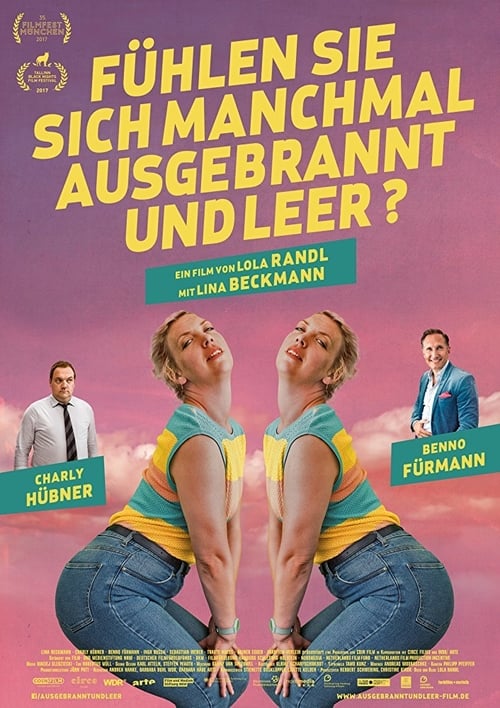
Do You Sometimes Feel Burned Out and Empty?
2017
No user ratings available yet
Representation score: 7.5 out of 10
Representation Score
Fair
2017
Director
André Erkau
Runtime
90 minutes
Average Rating
No ratings yetNew Showbiz Analysis
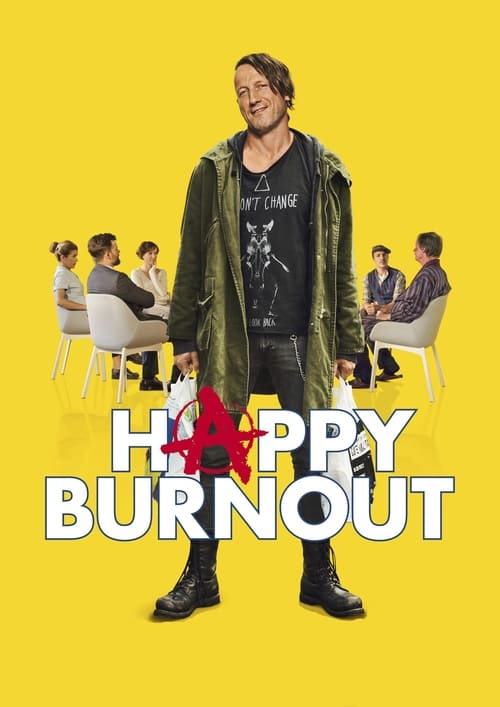
Happy Burnout operates as a standard character-driven comedy within a conventional European framework. While it successfully centers a narrative on the lived experience of mental health, it lacks broader multi-layered depth. The film's strengths lie in its focus on neuro-psychological challenges, providing a platform for discussing non-visible disabilities. However, the demographic makeup of the cast remains largely homogeneous. Ultimately, the film follows traditional comedic structures. It addresses personal struggles without attempting to dismantle larger social, racial, or cultural hierarchies.
Category Breakdown
The film does not include explicit LGBTQ+ characters or narratives that challenge the assumption that everyone is straight. The focus is on individual psychological struggles rather than identity-based social critiques.
The cast includes a balanced number of male and female actors. However, the film does not challenge traditional gender roles or stereotypes.
The production features a relatively homogeneous cast of established European actors. There is no evidence of a diverse, non-white majority cast to disrupt Western demographic norms.
The story explores mental health within the context of modern Western labor pressures. It treats these systemic issues through a lens of personal struggle rather than systemic critique.
The narrative provides representation for a non-visible disability by centering on a character navigating a clinical burnout diagnosis. It gives real power to someone facing neuro-psychological challenges.
Present on Screen
Limited or Absent
Official Synopsis
An unemployed with diagnosed burn-out is getting a therapy in a clinic.
2017

2019

2014

2015

2018
2010
2021
2017
No reviews yet. Be the first to share your thoughts on this movie!
Use the rating form above to leave a star rating and optional review.