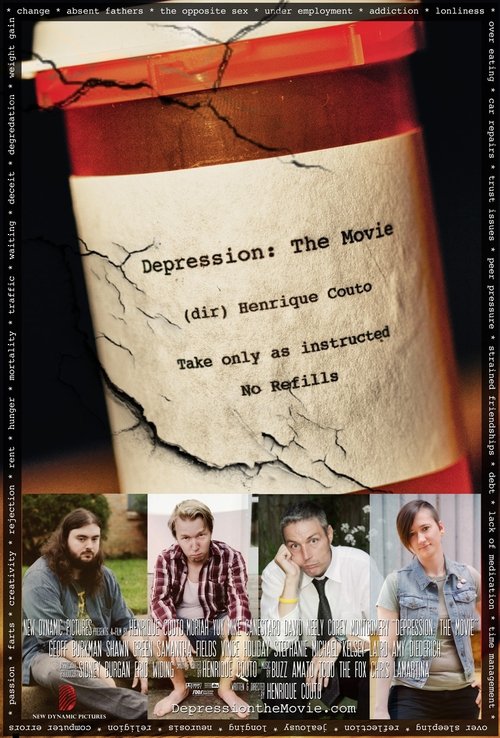
Depression: The Movie
2012
No user ratings available yet
Representation score: 7.1 out of 10
Representation Score
Fair
2012
Director
Arnaud Lemort
Runtime
95 minutes
Average Rating
No ratings yetNew Showbiz Analysis
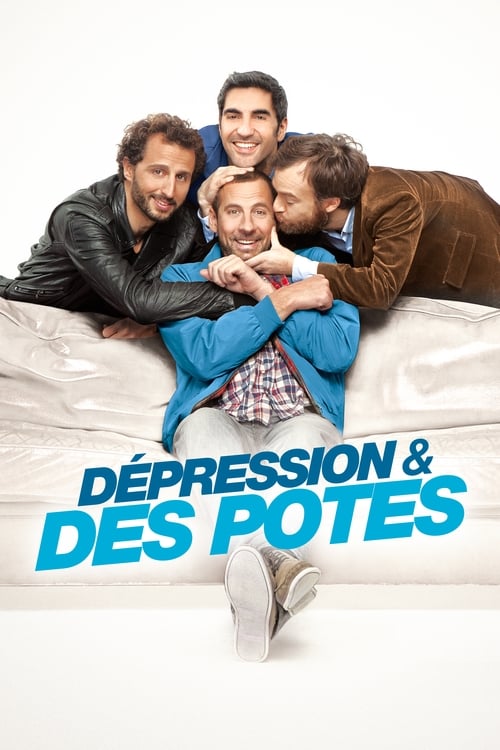
Depression and Friends is a character-driven comedy that emphasizes psychological realism. By focusing on a diagnosis of depression, the film treats mental health as a central theme rather than a secondary element. However, the film lacks demographic diversity and explores limited cultural perspectives. There is no clear evidence of LGBTQ+ representation, racial diversity, or subversion of traditional gender roles. While the film effectively highlights invisible disabilities, it remains a narrow social comedy that does not explore a wide range of cultural or identity-based viewpoints.
Category Breakdown
The film does not include explicit LGBTQ+ characters or explore non-straight relationships. The story focuses on the shared experiences of a group dealing with mental health issues.
The peer group in the film deals with mental health challenges. There is no clear indication that the film challenges traditional gender roles.
The ethnic makeup of the cast is not specified. The film seems to be a localized comedy without clear evidence of a diverse cast.
The film addresses mental health, challenging traditional views of social stability. It critiques conventional social support systems through its portrayal of struggling characters.
The plot centers on a diagnosis of depression, focusing on invisible disabilities. The protagonist's mental health is integral to the main conflict.
Present on Screen
Limited or Absent
Official Synopsis
When Frank is diagnosed with depression, his friends try to cheer him up -- and it quickly becomes clear that they're just as down and out as he is.
2012

2015
1989

2006

2007

2004

2008

2019
No reviews yet. Be the first to share your thoughts on this movie!
Use the rating form above to leave a star rating and optional review.