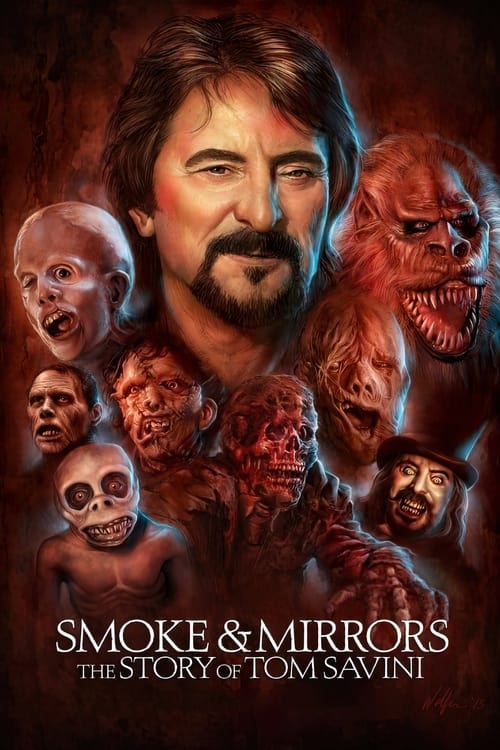
Smoke and Mirrors: The Story of Tom Savini
2015
No user ratings available yet
Diversity score: 2.3 out of 10

1931
Director
Grace Elliott
Runtime
7 minutes
Average Rating
No ratings yetSynopsis
Actor Bela Lugosi discusses his career, his social life, and his feelings about his most famous role, Count Dracula.
Overall Score
Limited
Category Breakdown
LGBTQ+ Representation
The film focuses entirely on the professional and personal life of a male actor. It contains no depictions of non-cisnormative identities or narratives addressing heteronormativity.
Gender Representation
Narrative agency is centered on Bela Lugosi, reflecting the era's traditional biographical focus. While Dorothy West is credited, the film does not subvert gender hierarchies.
Racial & Ethnic Diversity
The production adheres to the homogeneous casting standards of 1930s Hollywood. It focuses on a specific European-descended actor without evidence of a diverse supporting cast.
Religious & Cultural Diversity
The documentary operates within the framework of traditional celebrity culture. It maintains the social status quo rather than engaging in critiques of Western institutions.
Disability Representation
There is no documented evidence regarding the portrayal of physical or neurodivergent disabilities within this interview format.
Strengths
Areas for Improvement
AI Analysis
This documentary serves as a biographical profile of Bela Lugosi, prioritizing his career and his iconic role as Count Dracula. Because it is a short-form interview, it lacks the narrative structure to explore complex intersectional themes or systemic critiques. The film is a product of its time, reflecting the demographic and social norms of early 1930s Hollywood. It functions primarily as a record of individual stardom rather than a vehicle for progressive representation. Ultimately, the work provides a baseline for traditional media consumption from the early sound era, focusing on a singular celebrity persona.
2015
2014
2014
1997
1988
1968
1995
2004
2000

1987
2021
1995
No reviews yet. Be the first to share your thoughts on this movie!
Use the rating form above to leave a star rating and optional review.