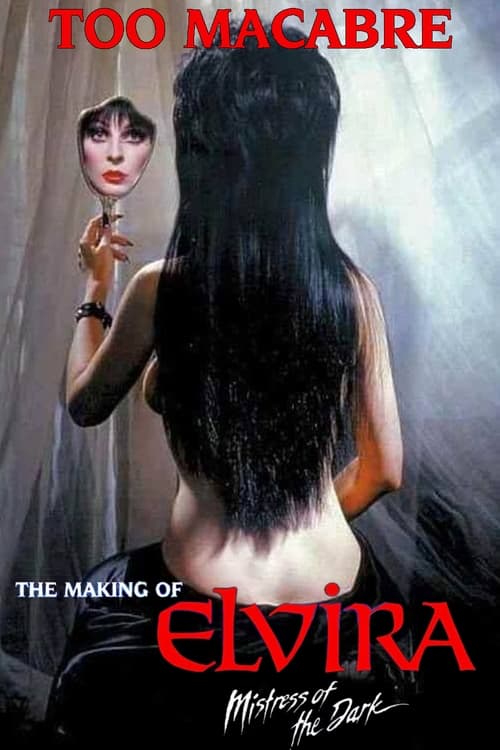
Too Macabre: The Making of Elvira, Mistress of the Dark
2018
No user ratings available yet
Representation score: 5.6 out of 10
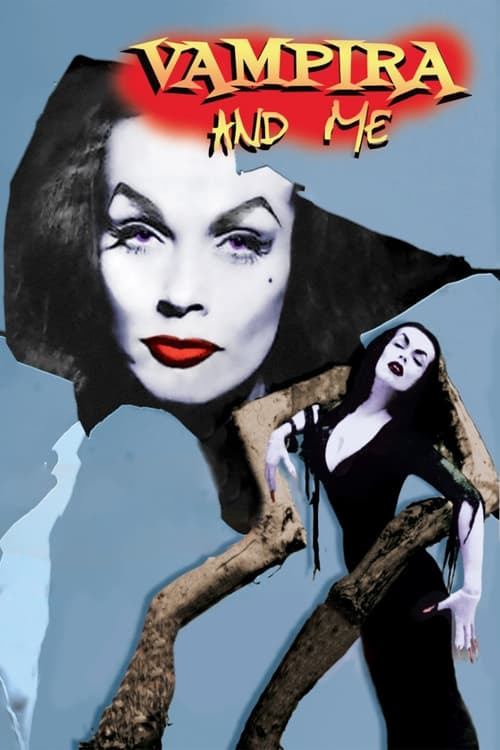
Representation Score
Fair
2013
Not RatedDirector
Ray Greene
Runtime
106 minutes
Average Rating
No ratings yetNew Showbiz Analysis
Vampira and Me succeeds in reclaiming Maila Nurmi's ability to act and presenting her as a complex historical figure. It challenges traditional gender roles and celebrates her unique, stylized femininity. However, the film's narrow focus on mid-century Hollywood limits its exploration of racial diversity. Additionally, it does not address disability representation. Overall, the film offers a nuanced look at Nurmi's life as an outsider within the Hollywood system, critiquing the standard industry narrative through her unique perspective.
Category Breakdown
The film examines the early influences on modern queer and goth subcultures. Nurmi's unconventional style challenged the visual norms of her time, suggesting a connection to later identity-driven performances.
The documentary shifts the focus from passive starlets to active architects of their personas. It highlights Nurmi's intellect and ability to act within a male-dominated industry, moving beyond the stereotype of a submissive actress.
The story primarily stays within the context of mid-century Hollywood demographics. There is no indication of significant racial diversity or the way different parts of someone's identity overlap within the film's focus.
The film revisits Nurmi's career through the lens of her influence on subcultures rather than mainstream achievements. It portrays her life as lived on the fringes of society, outside of conventional Hollywood narratives.
The film does not specifically address physical or neurodivergent disabilities. It focuses on the psychological impact of fame without discussing disability representation.
Present on Screen
Limited or Absent
Official Synopsis
Though most people knew her as Vampira, a late-night, creature-feature host in Los Angeles, Maila Nurmi was so much more. From her relationships with James Dean and other Hollywood luminaries to her significant contributions to the eventual Goth craze, Nurmi was a multifaceted woman, with more than a few amazing stories to share. Having befriended Nurmi while she was still alive, Greene finds himself perfectly situated to give us the complete story on this fascinating individual, blending extensive interviews with remarkable found footage of Nurmi's long and varied career. Whether being groomed by a major Hollywood director or making a surprising foray into music, Nurmi proves herself to be so much more than a scream queen. Still, when it comes to snappy one-liners cracked at the stroke of midnight, it's certainly safe to say that no one did it better than Vampira.
2018
2019
2021
1996
2022
2022
2006
2016
No reviews yet. Be the first to share your thoughts on this movie!
Use the rating form above to leave a star rating and optional review.