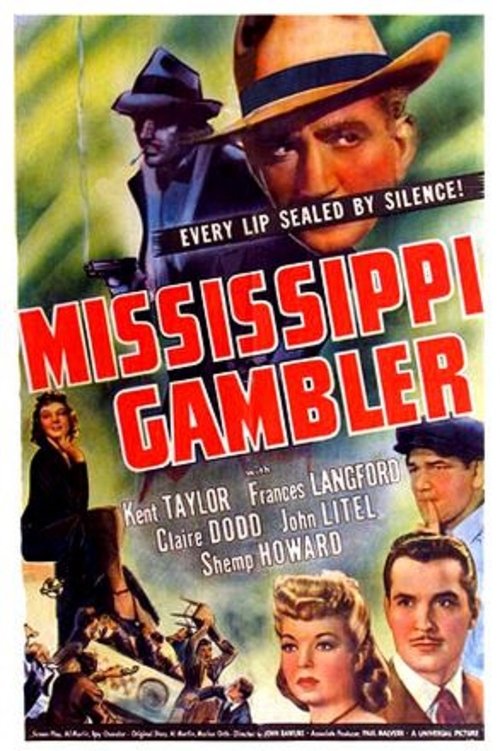
Mississippi Gambler
1942
No user ratings available yet
Representation score: 0.7 out of 10
Representation Score
Minimal
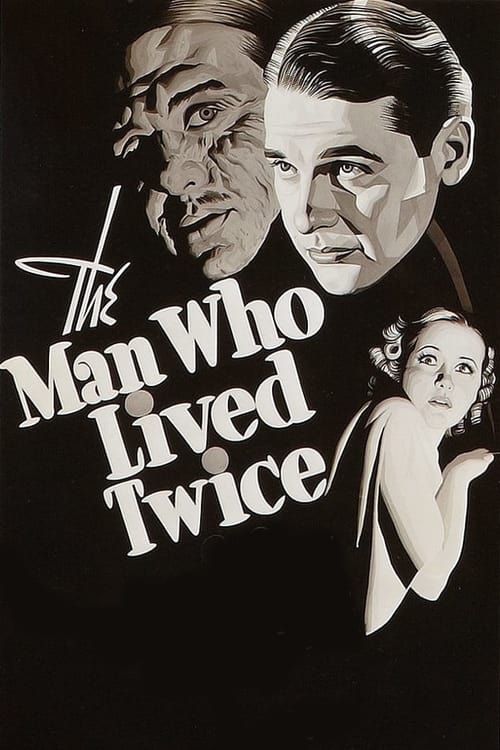
1936
NRDirector
Harry Lachman
Runtime
73 minutes
Average Rating
No ratings yetNew Showbiz Analysis
This 1936 crime drama functions as a traditional character study rooted in the conservative storytelling values of its era. The narrative prioritizes individual redemption and the restoration of social standing through a singular male perspective. The film reinforces existing social hierarchies rather than challenging them. It focuses on the protagonist's reintegration into society, emphasizing conformity over any meaningful exploration of diverse identities or the overlapping aspects of identity.
Category Breakdown
The film does not include any visible LGBTQ+ characters or non-cisgender identities. The story focuses solely on a male protagonist's journey of identity reconstruction within an assumption that everyone is straight or cisgender.
The narrative is centered around the male experience, where women do not hold positions of intellectual or physical superiority. The plot is driven primarily by male-centric progression.
The cast appears largely uniform, reflecting the production standards of 1936 British cinema. There are no characters of color who play a significant role in driving the story in the story.
The film upholds mid-century moral frameworks and social stability. It emphasizes individual redemption and assimilation into established societal norms, rather than critiquing Western institutions.
Plastic surgery is used strictly as a plot device for identity deception. The film does not explore disability, neurodivergence, or the lived experiences of physical impairment.
Present on Screen
Limited or Absent
Official Synopsis
A hardened criminal is transformed into a responsible member of society after he undergoes plastic surgery.
1942
1932

1927

1931
1962

1949
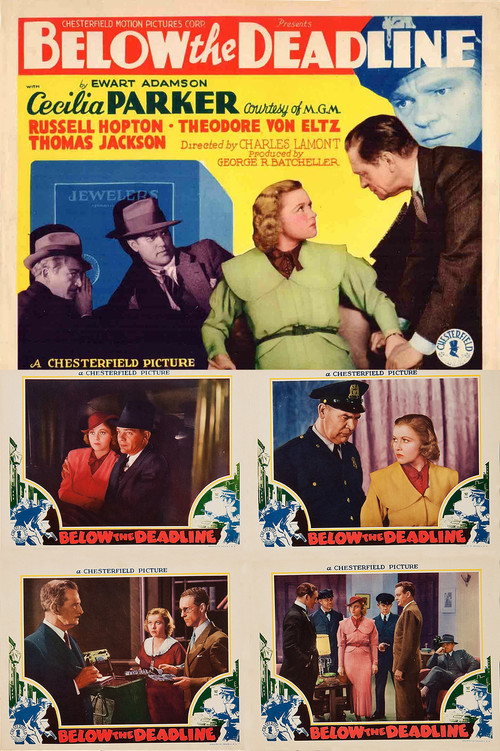
1936
1940
No reviews yet. Be the first to share your thoughts on this movie!
Use the rating form above to leave a star rating and optional review.