
On the Inside
2011
No user ratings available yet
Representation score: 6.3 out of 10
Representation Score
Fair
1978
Director
Ján Kadár
Runtime
149 minutes
Average Rating
No ratings yetNew Showbiz Analysis
The film serves as a psychological critique of systemic power structures. By placing a highly intelligent, troubled individual in a brutal psychiatric institution, the story examines the collapse of institutional order and the failure of authority. While the film excels in providing ability to act to a neurodivergent protagonist, the absence of information about racial and LGBTQ+ representation limits the diversity profile. The film’s strength lies in its thematic exploration of social hierarchies rather than explicit demographic variety. Ultimately, the film uses its setting to challenge conventional morality and the perceived benevolence of established institutions.
Category Breakdown
The film does not include any characters or themes related to LGBTQ+ identities.
The story revolves around a highly intelligent protagonist who navigates a harsh environment. This setup hints at a potential challenge to traditional masculine dominance through intellect.
The available information provides no details regarding the racial composition of the cast. The ethnic backgrounds of the characters remain unconfirmed.
The film questions traditional views of Western medicine and law by depicting a hospital as a place of cruelty and injustice.
The narrative centers on a neurodivergent protagonist dealing with mental health issues in a psychiatric setting. The protagonist’s intelligence gives them a strong role in driving the story.
Present on Screen
Limited or Absent
Official Synopsis
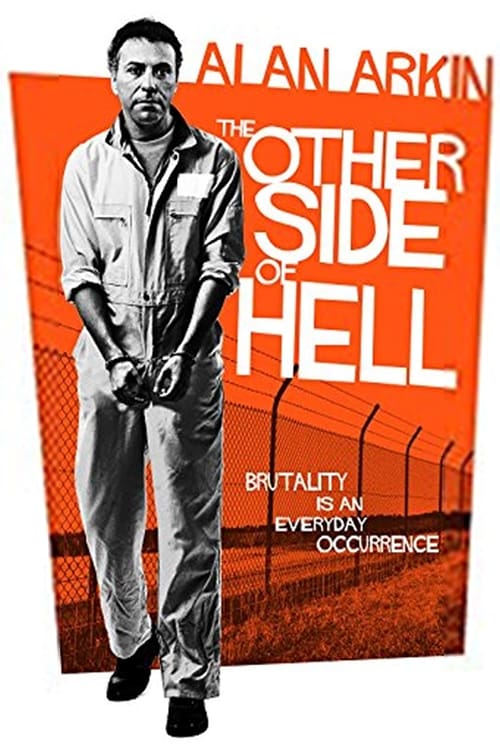
A disturbed, but highly intelligent man is sent to a criminally insane hospital to serve time and rehabilitate. But when he arrives, he discovers it's in fact a closed world where brutality is an everyday occurrence.
2011

1967
1975
1986

1946

2016

1973

1963
No reviews yet. Be the first to share your thoughts on this movie!
Use the rating form above to leave a star rating and optional review.