Tiger Team: The Mountain of 1000 Dragons
2010
No user ratings available yet
Diversity score: 3.6 out of 10
2004
Director
Jean van de Velde
Runtime
105 minutes
Average Rating
No ratings yetSynopsis
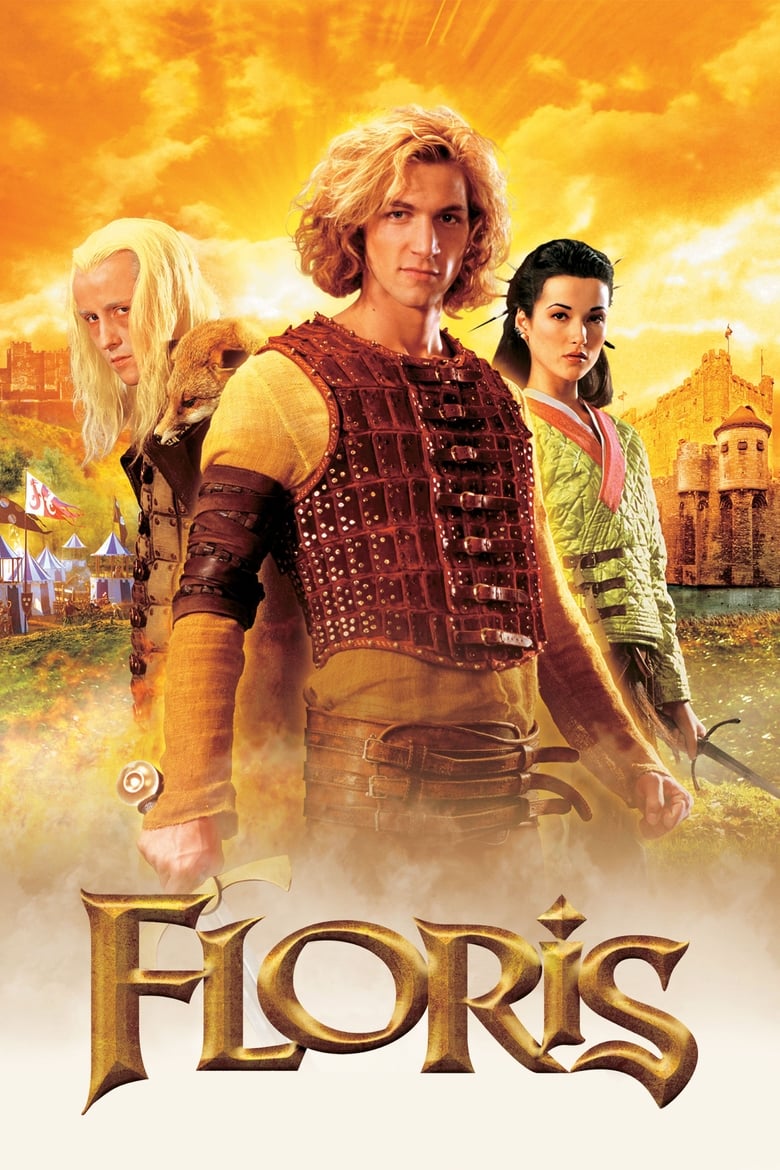
This adventurous feature film is a sequel to Paul Verhoeven's legendary youth series from 1969. In this modern film version - the Middle Ages are more imaginative and larded with anachronistic jokes - the story revolves around Floris (grandson of Rutger Hauer's character from the series), a peace-loving bloke whose father despises him because he refuses to carry on the family tradition of stout-hearted knights defending freedom: Floris is an actor. To prove to his father that he can still be a hero, he helps him search for a missing sacred relic with special powers. This is the last hope for the Duke of Burgundy, his father's boss, to eliminate the mean Duchess of Gelre. Along with his oriental girlfriend Pi, Floris goes through some perilous moments when he enters into battle with the duchess and her stooges Van Rossum jr., Kleine Pier jr. and Sergeant jr..
Overall Score
Fair
Category Breakdown
LGBTQ+ Representation
The film centers on the romantic relationship between Floris and Pi. While it avoids explicit depictions of non-cisnormative identities, it softens traditional warrior tropes by favoring peace-loving protagonists.
Gender Representation
Floris subverts hyper-masculine expectations by choosing acting over knighthood. Additionally, the presence of a Duchess as a primary antagonist shifts power dynamics away from traditional passive female roles.
Racial & Ethnic Diversity
The inclusion of Pi, described as an 'oriental' girlfriend, introduces ethnic diversity into a European medieval setting. This choice disrupts the historical homogeneity often found in the adventure genre.
Religious & Cultural Diversity
The story uses anachronisms to prioritize individual agency over rigid medieval social roles. It presents a world of subjective morality rather than a singular, absolute moral code.
Disability Representation
There is no discernible evidence regarding the portrayal of physical or neurodivergent disabilities in the narrative.
Strengths
Areas for Improvement
AI Analysis
Floris (2004) offers a refreshing departure from standard medieval adventure tropes by prioritizing personal identity over inherited martial duties. The film successfully challenges patriarchal definitions of strength through its protagonist's rejection of traditional knighthood. By integrating ethnic diversity via the character of Pi, the film breaks from the Eurocentric homogeneity typical of the genre. This imaginative approach to world-building creates a more inclusive atmosphere than strict historical realism would allow. However, the film remains limited by a lack of explicit LGBTQ+ representation and a total absence of disability narratives. While it deconstructs gendered archetypes, it does not reach high levels of intersectional complexity.
2010
2006
2012
2014
2005
2014
2021
1980
1994
2003
1992
1999
No reviews yet. Be the first to share your thoughts on this movie!
Use the rating form above to leave a star rating and optional review.