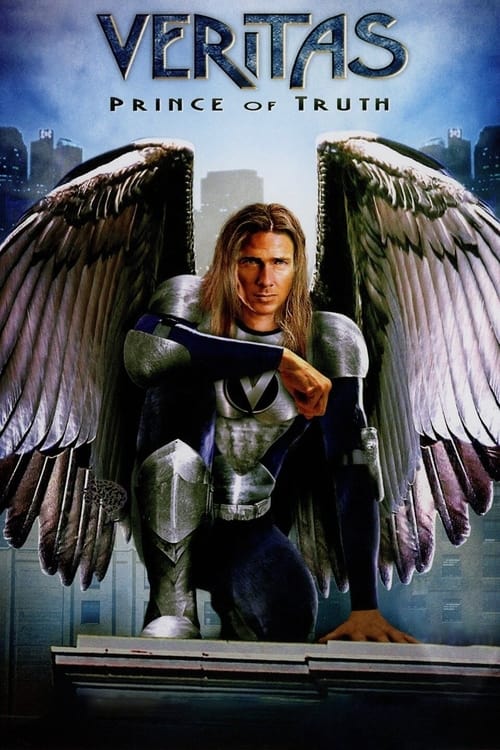
Veritas, Prince of Truth
2007
No user ratings available yet
Representation score: 5.0 out of 10
Representation Score
Limited
2003
Director
Henrik Ruben Genz
Runtime
81 minutes
Average Rating
No ratings yetNew Showbiz Analysis
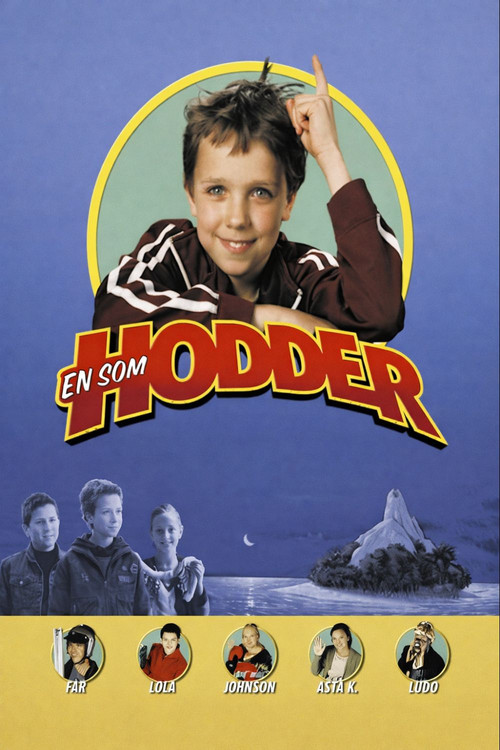
Someone Like Hodder is a traditional coming-of-age fantasy. While it avoids the typical nuclear family cliché by emphasizing a child's independence, it lacks deeper complexity. The film follows conventional genre formulas without offering social critiques. Its representation is limited by the demographic and social norms of its time and place.
Category Breakdown
The film does not include any LGBTQ+ characters or non-cisgender identities. The story focuses on a fantasy fairy and the protagonist.
The story centers around a male-dominated household with a son and his father. It does not challenge traditional gender roles or masculinity.
The film likely reflects the homogeneous demographics of its Danish production context in 2003. There is no indication of diverse casting or non-white majority ensembles.
The depiction of a child living with a father who works irregular hours highlights an unconventional family structure. This departs from the idealized nuclear family model.
The film does not feature any characters with visible or invisible disabilities. The narrative does not address disability or related themes.
Present on Screen
Limited or Absent
Official Synopsis
Hodder is nine years old. He lives on his own with his father, who works nights as a bill poster. One night a fairy appears to Hodder and asks him to save the world.
2007

2018
2020
2022

1990
1984
2002

1995
No reviews yet. Be the first to share your thoughts on this movie!
Use the rating form above to leave a star rating and optional review.