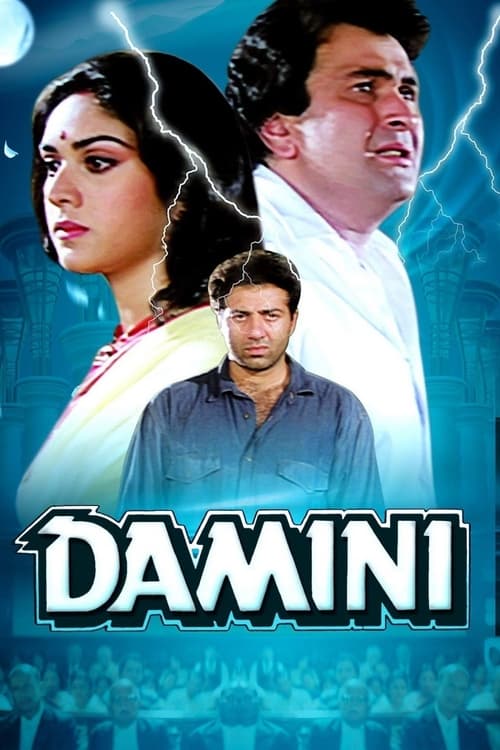
Damini
1993
No user ratings available yet
Representation score: 4.5 out of 10
Representation Score
Fair
1975
Director
Shyam Benegal
Runtime
136 minutes
Average Rating
No ratings yetNew Showbiz Analysis
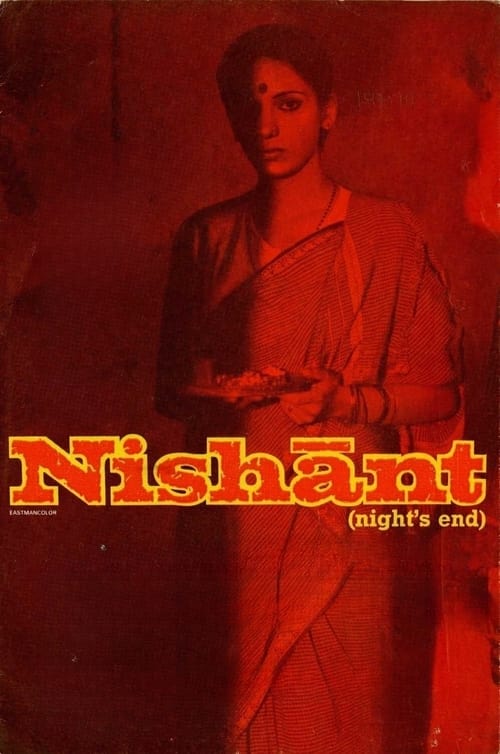
Shyam Benegal’s Nishant is a powerful critique of rural feudalism that uses a naturalistic lens to expose social myths. The film excels in its sophisticated deconstruction of caste and class, showing the complex, often violent, realities of social stratification. However, its focus is narrow, centering on the intersection of patriarchal dominance and systemic oppression. While it provides a deep interrogation of power, it does not include LGBTQ+ themes or depictions of disability. The narrative is driven by the grim realities of mid-20th-century social hierarchies. Ultimately, the film’s strength lies in its refusal to romanticize authority. By exposing how religion and communal honor serve as instruments of violence, it offers a potent post-colonial interrogation of power and social structure.
Category Breakdown
The film does not include any LGBTQ+ characters or themes related to non-straight or non-cisgender identities. Instead, it focuses on the patriarchal and caste-based structures of the mid-20th-century rural setting.
The film challenges traditional male dominance by showing it as brutal rather than protective. It centers on female trauma and exposes how systemic hierarchies use honor to justify violence.
The story explores internal social stratification, highlighting the violent intersections of caste and class. It critiques the exploitation of peasants by landed elites.
The narrative deconstructs communal morality, portraying tradition as a mask for systemic oppression. It challenges the sanctity of feudal structures and the corrupting influence of concentrated land ownership.
There are no significant depictions of physical or neurodivergent disabilities within the main storyline.
Present on Screen
Limited or Absent
Official Synopsis
A man whose wife is abducted seeks to have the culprits prosecuted for their crime, but no one will help him. Meanwhile, the wife—abused and berated by her abductors—cannot bring herself to face her husband.
1993
1970
2007

1975
2001
2014
1971

2019
No reviews yet. Be the first to share your thoughts on this movie!
Use the rating form above to leave a star rating and optional review.