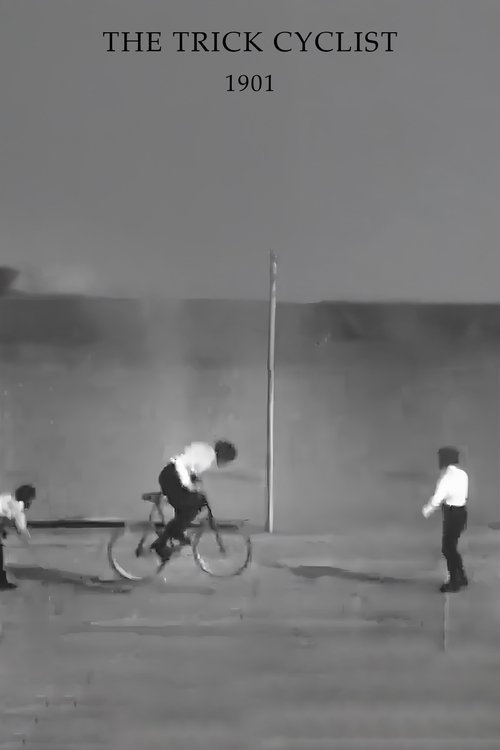
The Trick Cyclist
1901
No user ratings available yet
Representation score: 1.7 out of 10

Representation Score
Minimal
1899
Director
James H. White
Runtime
1 minutes
Average Rating
No ratings yetNew Showbiz Analysis
This Edison short serves primarily as a historical record of early athletic performances rather than a tool for diverse representation. Without a structured plot, character development, or dialogue, the film lacks the depth needed to explore progressive themes or challenge societal norms. The content is centered on the mechanics of cycling tricks and physical novelty, emphasizing the spectacle of the performance over any exploration of identity or social dynamics.
Category Breakdown
The film showcases athletic prowess without any depiction of LGBTQ identities or narratives challenging assumptions about straight relationships.
Neidert demonstrates strong physical abilities and technical skills, but the short duration of the film doesn't allow for a detailed examination of gender power dynamics.
The cast is homogeneous, reflecting the early urban performance settings of the time. There is no indication of non-white or non-Anglo-Saxon representation.
The film presents a straightforward demonstration of skill without engaging with religious, political, or socioeconomic critiques.
The film focuses on athletic performance by able-bodied individuals. There are no depictions of disabilities or neurodivergence.
Present on Screen
Limited or Absent
Official Synopsis
This Edison short features famed cyclist Neidert performing a series of impressive bicycle stunts on stage, including riding backwards, balancing on one pedal, and rearing the bike onto its back wheel. The film was listed in Edison’s catalog as No. 2, indicating it followed an earlier trick cycling short (now believed lost), and is unrelated to the later British production The Trick Cyclist (1901). Although Thomas Edison has sometimes been mistakenly named as director, he was never credited as director on any films; this short was directed by James H. White.
1901
1899
1896
1906
1903
1908
1894
1900
No reviews yet. Be the first to share your thoughts on this movie!
Use the rating form above to leave a star rating and optional review.