Colette
2020
No user ratings available yet
Representation score: 5.1 out of 10
Representation Score
Excellent
2019
MA-13Director
Nicola Hens
Runtime
86 minutes
Average Rating
No ratings yetNew Showbiz Analysis
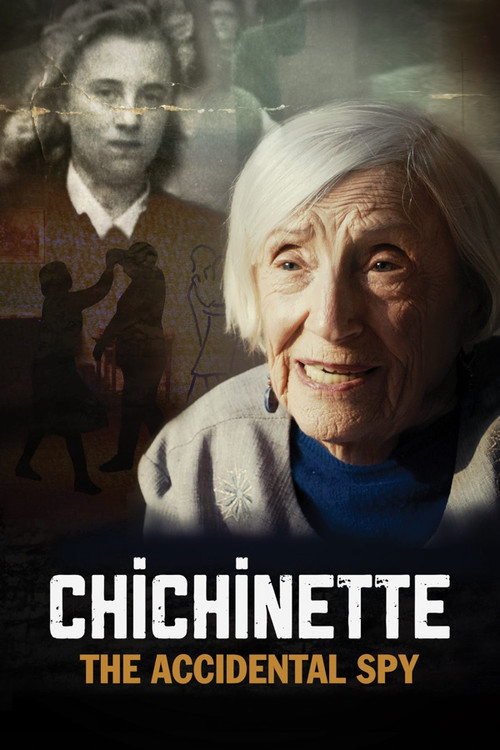
Chichinette: The Accidental Spy presents a corrective historical narrative by focusing on a underrepresented female figure in a high-stakes intelligence role. The film moves away from the 'great man' history by highlighting a lesser-known but significant historical figure. The film’s primary strength lies in its multi-layered approach, combining gender empowerment with a deep exploration of the Jewish experience during World War II. This perspective reframes the conflict through the lens of survival and individual ability to act against systemic oppression. However, the documentary lacks specific representation and narrative arcs concerning LGBTQ+ identities or explicit disability-centric narratives.
Category Breakdown
The film focuses on the historical biography of Marthe Cohn and does not include any explicit depiction of LGBTQ+ identities or relationships that deviate from the norm.
Marthe Cohn is portrayed as a strong, active character who challenges traditional wartime gender roles. She uses her intelligence and stealth skills to lead significant military operations, rather than being a passive participant.
The documentary offers a detailed look at the Jewish experience during the Holocaust, emphasizing the intersection of ethnic identity and survival. It highlights the challenges faced in navigating systemic oppression.
The film critiques systemic failures in the persecution of Jewish populations. It prioritizes the lived experiences of those underrepresented over sanitized, traditional nationalist histories.
While the film does not focus on physical or neurodivergent disabilities as central themes, it touches on the psychological impact of war and the resilience needed to overcome trauma.
Present on Screen
Limited or Absent
Official Synopsis
When it seems that all the stories about World War II have already been told, a new one is often found. Marthe Cohn is a French Jew, whose life resembles a real-world blockbuster. During the war, she took the cover name Chichinette, became a spy, and gathered intel that helped organize an important military operation. Chichinette suffered many losses during the war, having been born in a Jewish family in a small industrial town close to the border between France and Germany. Now Marthe is 98 years old. Despite her age, she is savvy in modern technology and loves traveling the globe - she is often invited to go abroad and tell the story of her military achievements.
2020
1998

2021

2020

2017

2013

2021
2009
No reviews yet. Be the first to share your thoughts on this movie!
Use the rating form above to leave a star rating and optional review.