Kim Philby: His Most Intimate Betrayal
2014
No user ratings available yet
Representation score: 1.2 out of 10
Representation Score
Minimal
2009
Not RatedDirector
Edmon Roch
Runtime
88 minutes
Average Rating
No ratings yetNew Showbiz Analysis
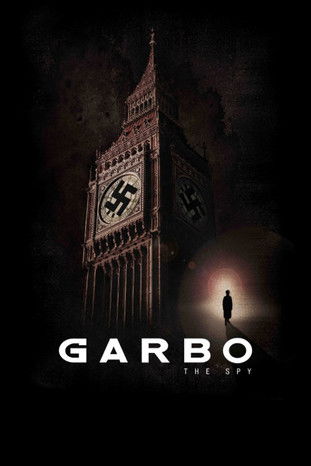
Garbo: The Spy is a specialized historical documentary that prioritizes chronological accuracy and the psychological study of espionage. The narrative revolves around the individual actions of Juan Pujol and his ability to navigate complex power dynamics during World War II. Due to its focus on mid-20th-century European military intelligence, the film lacks multi-layered complexity. It adheres to the social and demographic norms of the era it depicts rather than challenging traditional hierarchies. The documentary operates within the strictures of wartime geopolitical realities, focusing on a single operative within a highly structured, male-dominated military environment.
Category Breakdown
The film focuses on the historical military and intelligence spheres of the 1940s. There are no LGBTQ+ themes or non-binary gender identities present.
The story centers on male-dominated intelligence structures of World War II. While Juan Pujol plays a significant role, female characters remain largely peripheral to the main operations.
The documentary focuses on the European theater, involving Spanish, British, and German actors. It lacks significant racial diversity or casting of non-Anglo-Saxon actors.
The film explores deception as a strategic tool for survival. It functions as a historical chronicle rather than a critique of religion, capitalism, or patriotism.
There is no focus on neurodivergence, physical disabilities, or mental health conditions within the primary narrative arc.
Present on Screen
Limited or Absent
Official Synopsis
A compelling account of Juan Pujol, an extraordinary Spanish double agent during WWII who helped change the course of history.
2014
2020

2013

2016
2012
2018

2019

2008
No reviews yet. Be the first to share your thoughts on this movie!
Use the rating form above to leave a star rating and optional review.