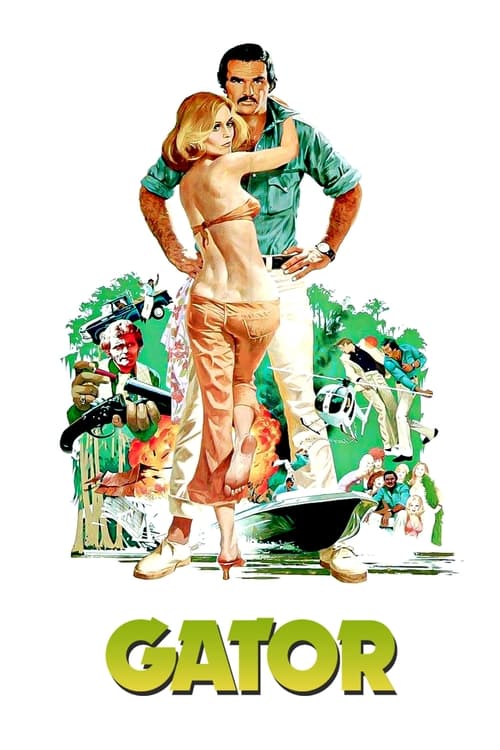
Gator
1976
No user ratings available yet
Representation score: 1.1 out of 10
Representation Score
Minimal
1985
RDirector
Burt Reynolds
Runtime
109 minutes
Average Rating
No ratings yetNew Showbiz Analysis
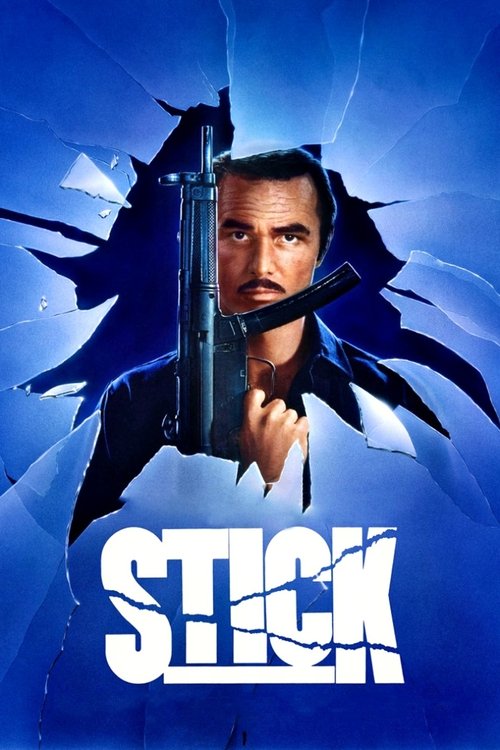
Stick is a quintessential 1980s crime drama that relies heavily on established Hollywood archetypes. The narrative centers on a male protagonist navigating the criminal underworld and the wealthy elite, emphasizing traditional masculine control over social subversion. The film lacks complexity in its portrayal of social structures, offering a narrow view. It functions as a standard genre piece that reinforces the status quo rather than challenging it through diverse perspectives or non-traditional identities. Ultimately, the production reflects the era's tendency toward homogeneous casting and conventional moral frameworks, providing little representation for underrepresented groups.
Category Breakdown
The film follows a strictly heterosexual and cisgender perspective. There are no queer narratives or non-conforming gender identities present in the story.
Gender roles follow conventional patterns. While the female lead holds a professional position, the plot is driven by the male protagonist’s physical actions.
The cast appears homogeneous, reflecting the typical 1980s crime drama standards. The narrative lacks evidence of non-white majority representation.
The story adheres to traditional Western clichés regarding justice and individual control. It lacks systemic critiques of social or Western institutions.
No visible or invisible disabilities are central to the character arcs or used as significant plot devices.
Present on Screen
Limited or Absent
Official Synopsis
After getting out of jail, car thief Ernest "Stick" Stickley witnesses the murder of his friend Rainy during a drug deal. To avoid getting killed by the same people, who work for mobster Chucky, Stick gets a job as a chauffeur for millionaire Barry Braham and lies low. As he gets used to his new routine, Stick woos Barry's financial consultant, Kyle McClaren, but must fight back when Chucky's men come after him.
1976

1989
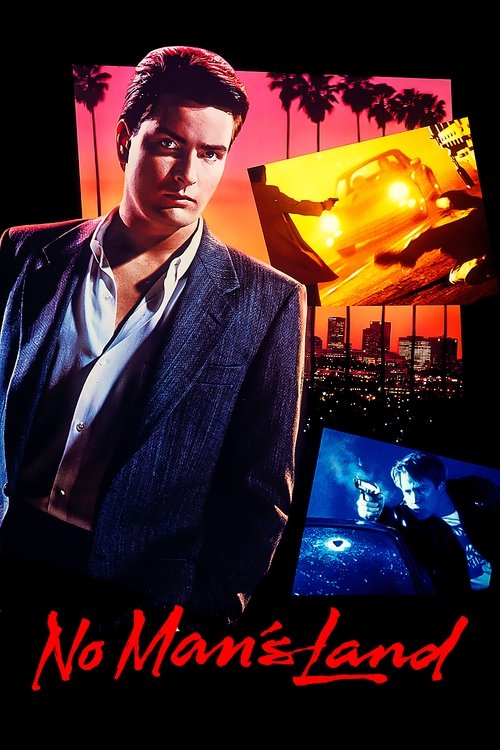
1987
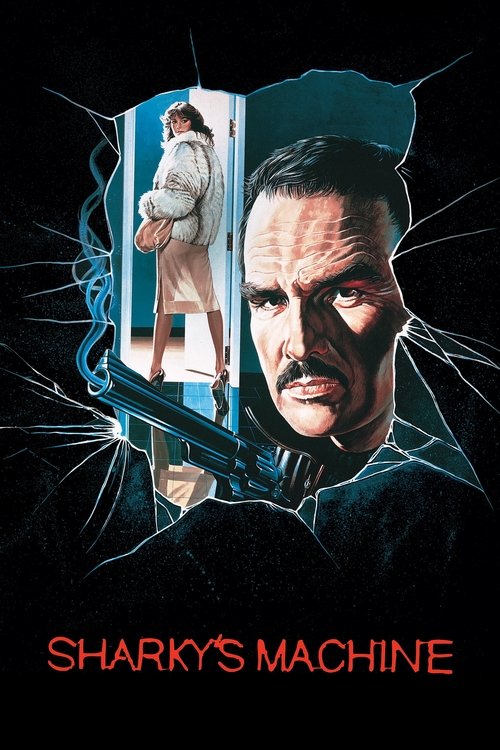
1981
1998
1990
1978
1972
No reviews yet. Be the first to share your thoughts on this movie!
Use the rating form above to leave a star rating and optional review.