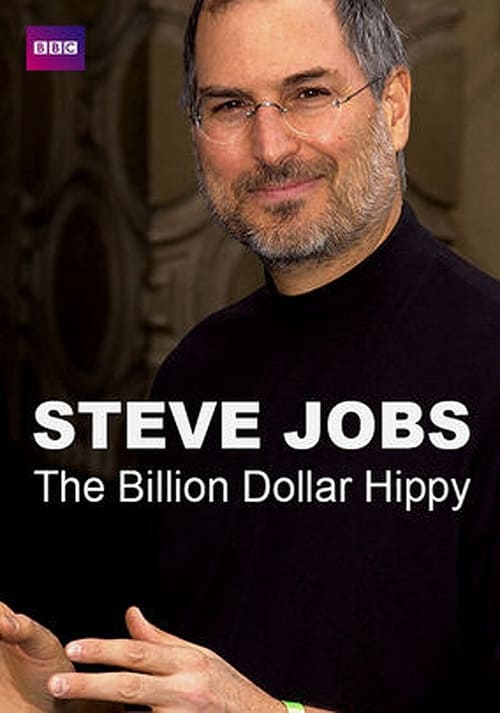
Steve Jobs: Billion Dollar Hippy
2011
No user ratings available yet
Diversity score: 4.8 out of 10

2000
Director
Mark Neale
Runtime
89 minutes
Average Rating
No ratings yetSynopsis
On an overcast morning in 1999, William Gibson, father of cyberpunk and author of the cult-classic novel Neuromancer, stepped into a limousine and set off on a road trip around North America. The limo was rigged with digital cameras, a computer, a television, a stereo, and a cell phone. Generated entirely by this four-wheeled media machine, No Maps for These Territories is both an account of Gibson’s life and work and a commentary on the world outside the car windows. Here, the man who coined the word "cyberspace" offers a unique perspective on Western culture at the edge of the new millennium, and in the throes of convulsive, tech-driven change.
Overall Score
Fair
Category Breakdown
LGBTQ+ Representation
The film focuses on William Gibson's intellectual journey. It lacks explicit depictions of queer intimacy or non-cisnormative identities, though Gibson's cyberpunk worldview inherently challenges traditional identity structures.
Gender Representation
This is a singular study of a male intellectual. The narrative is centered entirely on Gibson's perspective, resulting in a notable absence of female agency or gender hierarchy subversion.
Racial & Ethnic Diversity
The documentary captures North American geography but does not center on racial intersectionality. The focus remains on technological evolution and the perspectives of the dominant technological class.
Religious & Cultural Diversity
The film excels at critiquing Western institutions and progress. It presents a skeptical, postmodern view of capitalism and the destabilizing effects of rapid digital connectivity and surveillance.
Disability Representation
There is no evidence of subjects navigating visible or invisible disabilities. The film does not utilize disability as a central theme or narrative device.
Strengths
Areas for Improvement
AI Analysis
No Maps for These Territories functions as a specialized intellectual essay rather than a demographic study. Its value lies in its philosophical critique of Western stability and the digital fragmentation of society. While the film offers a profound commentary on the transition into the new millennium, it lacks intersectional breadth. The narrative is heavily anchored to a single male perspective, which limits the representation of diverse social identities. Ultimately, the documentary prioritizes the deconstruction of societal norms through a technological lens rather than through a diverse cast of characters.
2011

2003

2020
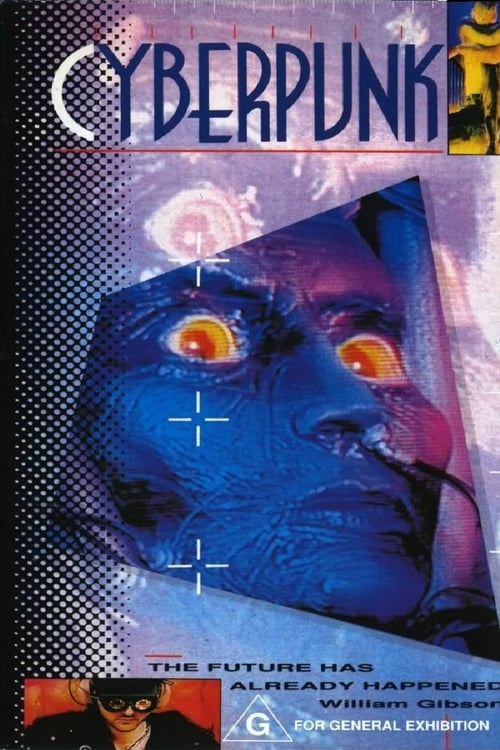
1990

2017

2018

2015

1991

1981

2013

2005

2006
No reviews yet. Be the first to share your thoughts on this movie!
Use the rating form above to leave a star rating and optional review.