
Otaku - Children of the Virtual Empire
1994
No user ratings available yet
Representation score: 5.7 out of 10
Representation Score
Fair
2006
Director
Satoshi Kobayashi, Kohei Nagashima
Runtime
44 minutes
Average Rating
No ratings yetNew Showbiz Analysis
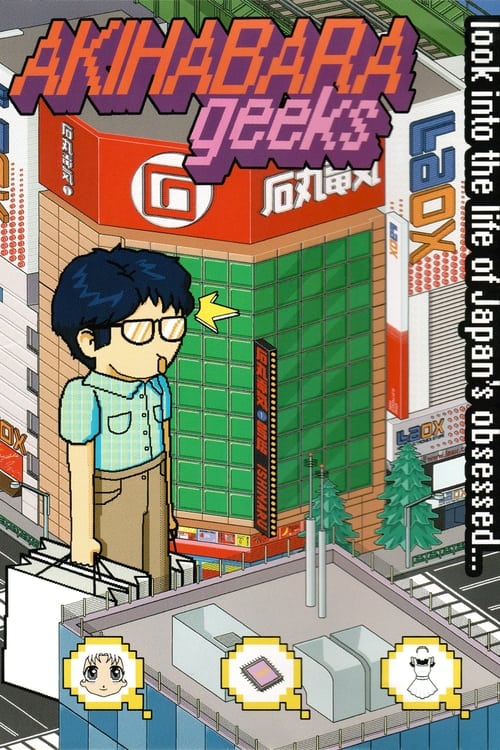
Akihabara Geeks serves as an ethnographic study of a specific urban ecosystem and its niche inhabitants. It succeeds in humanizing the 'Otaku' subculture, presenting them as passionate devotees rather than social outcasts. However, the documentary's observational nature limits its depth regarding identity politics. While it explores outsider social structures, it prioritizes cultural observation over systemic deconstruction of power dynamics or overlapping identities. The film's focus is inherently localized, resulting in a lack of racial and ethnic variety. It captures a specific moment in Japanese consumer culture but remains a study of niche interests rather than a broader social critique.
Category Breakdown
The film touches on subcultures related to non-traditional identities, such as those found in Maid Cafes. However, it does not include explicit LGBTQ+ narratives or depictions of same-sex intimacy.
The documentary examines gendered labor and social dynamics within Maid Cafes, treating these stylized performances as cultural phenomena rather than tools to challenge patriarchal structures.
As a localized study of a Japanese district, the film features a predominantly homogeneous cast. It focuses on a specific ethnic subculture without engaging in racial blending or deconstructing Anglo-centric norms.
The film centers on the 'Otaku' subculture, offering a nuanced view of a group often sidelined by mainstream Japanese society. It portrays these enthusiasts as passionate devotees within a consumerist ecosystem.
There is no documented evidence regarding the portrayal of neurodivergence or physical disabilities. The film does not explicitly address these themes as part of its investigative scope.
Present on Screen
Limited or Absent
Official Synopsis
Akihabara is a neighborhood of Tokyo, Japan known as "Electric Town" for its rows of one-meter wide discount computer and electronics stores. In more recent years, Akihabara has evolved into a full-blown Mecca for computer enthusiasts, anime and manga fans, doll or "figure" collectors, video gamers and "Otaku" of all kinds. Because Akihabara caters to interests outside of mainstream Japanese society, it captivates an entire subculture of devotees. Join us as we peruse the shops, streets and Maid Cafes to present an engrossing day in the life view of Akihabara, and focus on the unique people who are passionately plugged into this town.
1994
2013

2013

2010

2004

2017

2012

2009
No reviews yet. Be the first to share your thoughts on this movie!
Use the rating form above to leave a star rating and optional review.