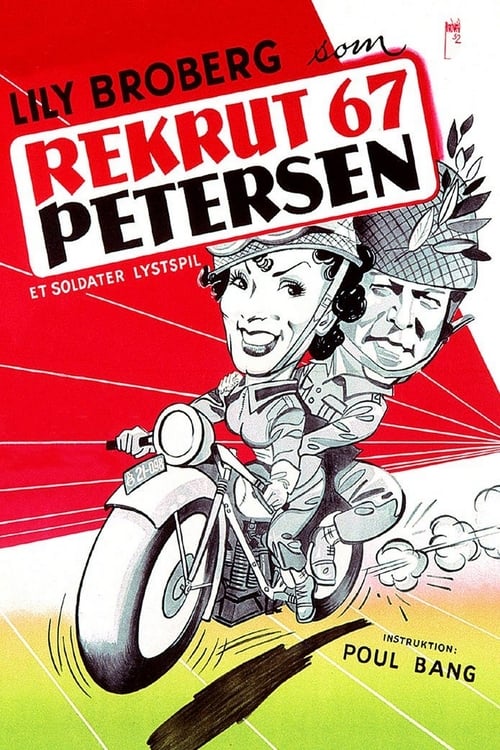
Rekrut 67 Petersen
1952
No user ratings available yet
Representation score: 1.6 out of 10

Representation Score
Minimal
1957
Director
Poul Bang
Runtime
94 minutes
Average Rating
No ratings yetNew Showbiz Analysis
This 1957 Danish comedy-crime film operates within the conventional social hierarchies of its era. The plot relies on a classic challenge-and-reward structure centered on physical prowess and masculine competition. The narrative is deeply localized, focusing on a homogeneous community of farmhands and a traveling boxer. This creates a portrait of mid-century Denmark that prioritizes traditional social cohesion over diverse representation. Ultimately, the film serves as a period piece that reinforces established gender roles and regional homogeneity.
Category Breakdown
The story revolves around a physical contest between men, with no indication of LGBTQ+ identities or critiques of traditional social structures.
The conflict is driven by male physicality and competition, centering on masculine archetypes such as the strong boxer and local farmhands.
The setting includes a localized Danish market, with a homogeneous cast focusing on local farmhands and a traveling performer.
The film celebrates traditional community structures and local pride, reinforcing social cohesion through themes of competition and earned rewards.
There are no details about characters with physical or neurodivergent disabilities.
Present on Screen
Limited or Absent
Official Synopsis
In the early 1940s, there were a couple of guys who traveled around the country from market to market with their tent. It contained only one thing: a boxing ring. The big, strong boxer challenged the local farmhands to a quick three-round boxing match and promised a large cash reward to anyone who could knock him out.
1952

1992
1953

2016

1963
1955

1979
1954
No reviews yet. Be the first to share your thoughts on this movie!
Use the rating form above to leave a star rating and optional review.