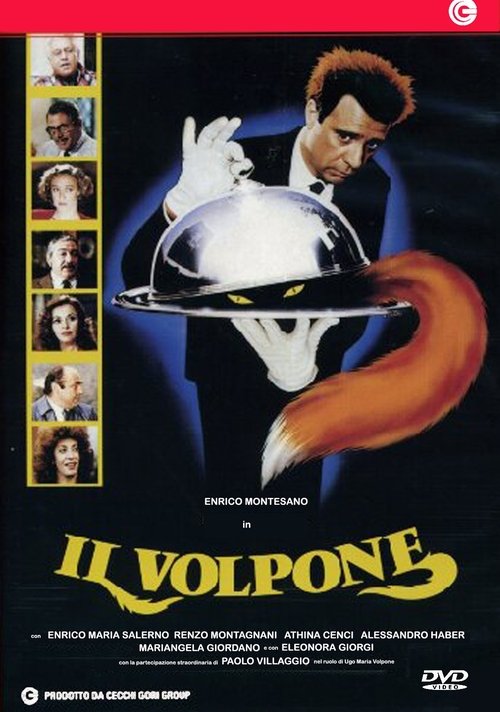
The Big Fox
1988
No user ratings available yet
Representation score: 1.9 out of 10
Representation Score
Limited
1941
Director
Jacques de Baroncelli, Maurice Tourneur
Runtime
94 minutes
Average Rating
No ratings yetNew Showbiz Analysis
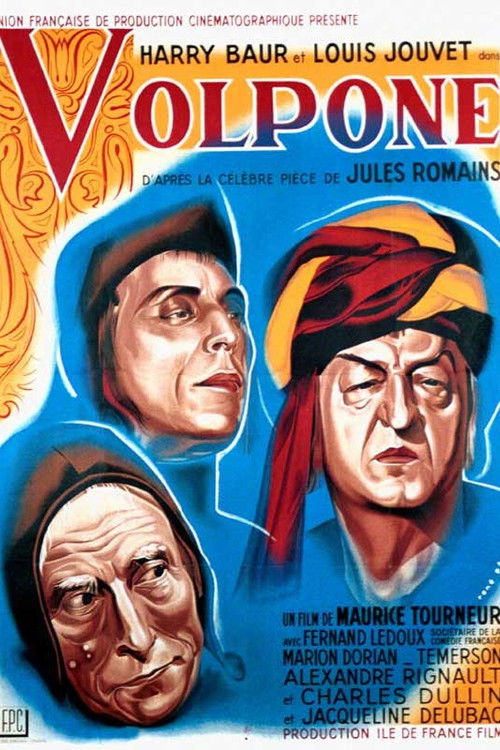
Volpone (1941) is a traditional period comedy that centers on themes of morality and greed. Its narrative structure highlights a male-dominated hierarchy and the deceptions of an elderly Venetian and his associates. Reflecting the cinematic norms of its time, the film offers limited representation of LGBTQ+ identities or racial diversity. It serves primarily as a character-driven exploration of individual corruption, rather than a critique of broader societal issues. Overall, the production adheres to the social hierarchies of its era, without challenging conventional expectations of gender, race, or culture.
Category Breakdown
The film does not include any LGBTQ+ characters or narratives. It focuses on themes of greed from the 1940s, which do not address non-cisgender identities.
The story revolves around a male protagonist and his male associates. The narrative emphasizes a patriarchal structure where male characters drive the plot.
Set in Venice, the film features a cast that reflects the homogeneity typical of the early 1940s. There is no indication of racially diverse casting.
The story operates as a moral tale centered on individual vice. It does not challenge Western cultural norms or institutions.
The film does not feature any characters with visible or invisible disabilities. There are no plot devices involving characters with disabilities.
Present on Screen
Limited or Absent
Official Synopsis
Volpone, an elderly Venetian, connives with his money-crazed servant to convince his greedy friends that he is dying, knowing that each will try to curry favor with him in order to be named his heir. He is inundated with valuable gifts, and soon finds himself entangled deeper and deeper in a web of lies.
1988

1980
2004
1973
1950
1994
1984
1960
No reviews yet. Be the first to share your thoughts on this movie!
Use the rating form above to leave a star rating and optional review.