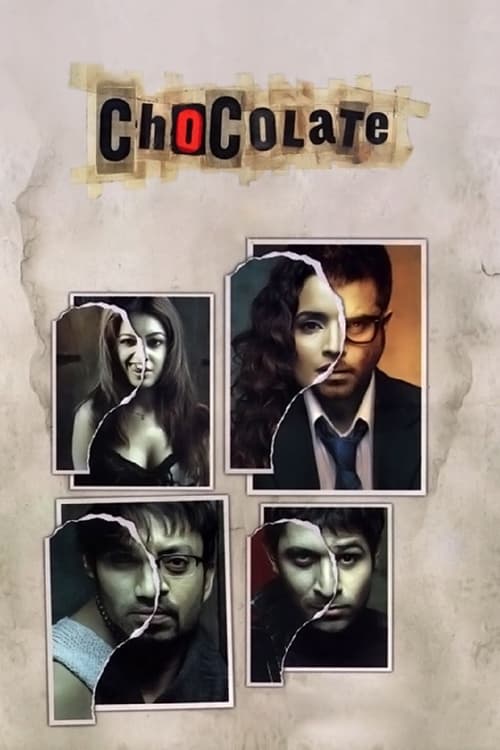
Chocolate: Deep Dark Secrets
2005
No user ratings available yet
Diversity score: 5.2 out of 10
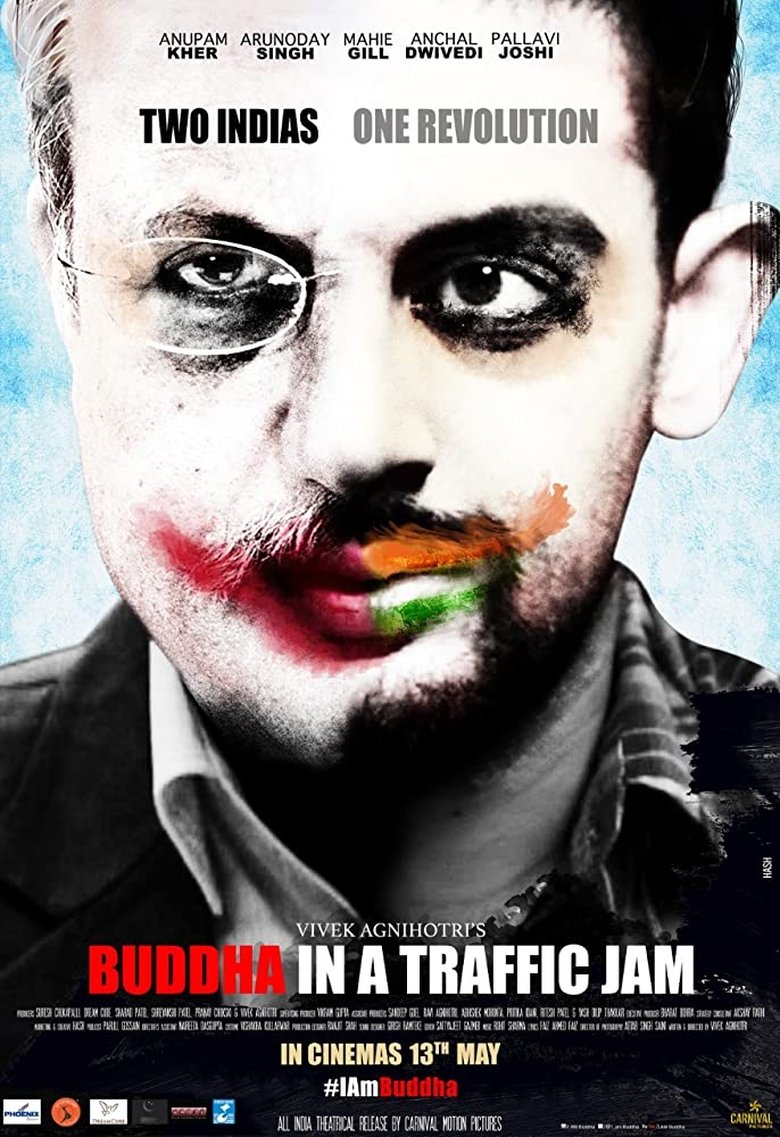
2016
Director
Vivek Agnihotri
Runtime
114 minutes
Average Rating
No ratings yetSynopsis
Vikram is a happy-go-lucky management student from a top Business School of India. He becomes an overnight sensation after a successful internet campaign against the radical fundamentalism of moral policing in India. This prompts his university teacher - Professor Ranjan Batki, to throw him a challenge for yet another internet campaign that would help raise money via a non-profit Pottery Club for poor people living in Maoists areas of India. Little does Vikram know that he is about to become a part of a plot that would risk his life and the nation. He gets entangled between two corrupt facets of India - Socialism and Capitalism, both of which are deeply rooted in India. It's a story inspired from true life incidents of Underbelly India.
Overall Score
Fair
Category Breakdown
LGBTQ+ Representation
The film lacks discernible evidence of non-cisnormative gender identities. There are no narratives designed to critique heteronormativity or include queer semiotic markers.
Gender Representation
The story centers on a male protagonist navigating academic and social spheres. There is little evidence of high-agency female characters or the subversion of traditional gender hierarchies.
Racial & Ethnic Diversity
The film features an ethnically homogeneous Indian cast that grounds the story in its setting. It provides meaningful representation by centering Indian perspectives on domestic socioeconomic struggles.
Religious & Cultural Diversity
The narrative offers a postmodern critique of power structures like Socialism and Capitalism. It highlights marginalized populations through the depiction of a non-profit pottery club.
Disability Representation
There are no specific depictions of visible or invisible disabilities. No character arcs are driven by disability within the narrative.
Strengths
Areas for Improvement
AI Analysis
Buddha in a Traffic Jam is a socio-political thriller that prioritizes systemic critique over identity-based representation. The film finds its voice by challenging institutional stability and moral policing through the lens of digital activism. While the film excels at deconstructing economic and social organizations, it remains narrow in its demographic scope. The narrative architecture focuses heavily on the male experience and the friction between individual agency and corrupt state facets. Ultimately, the film serves as a localized critique of modern Indian societal structures, trading broad social inclusivity for a deep dive into specific sociopolitical tensions.
2005
2014
2021
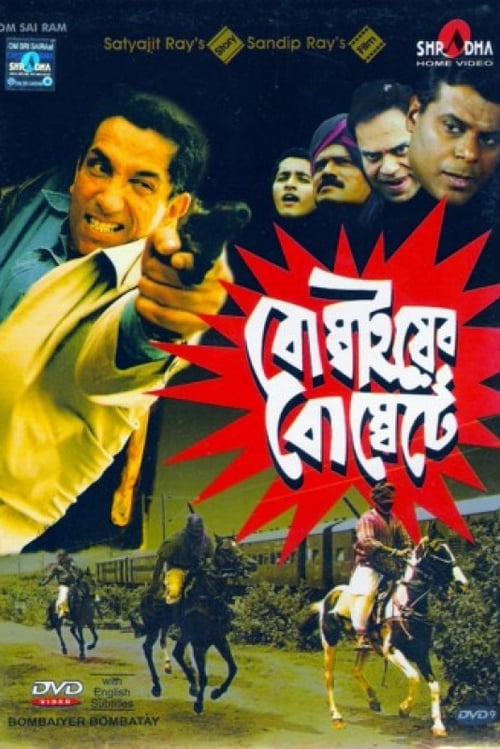
2003
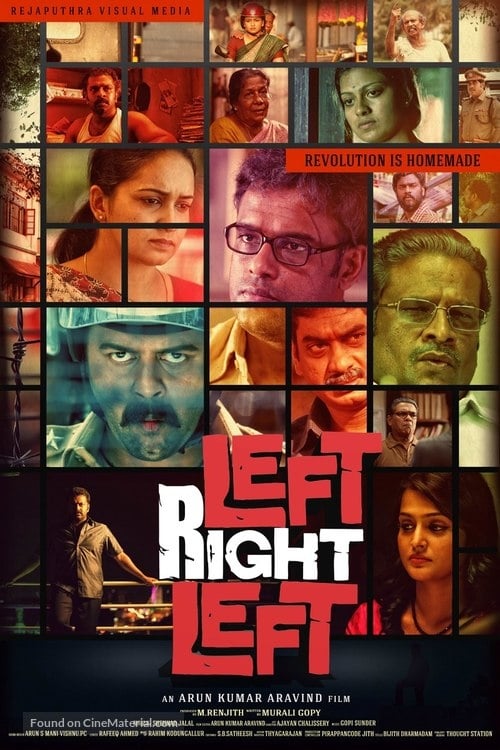
2013
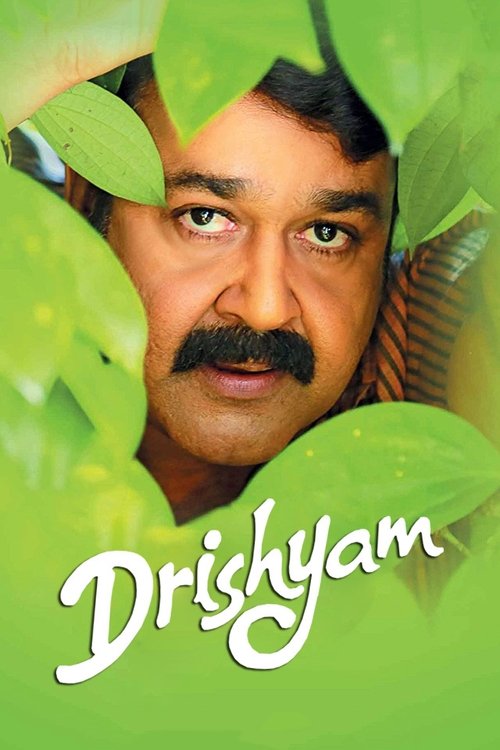
2013

2023
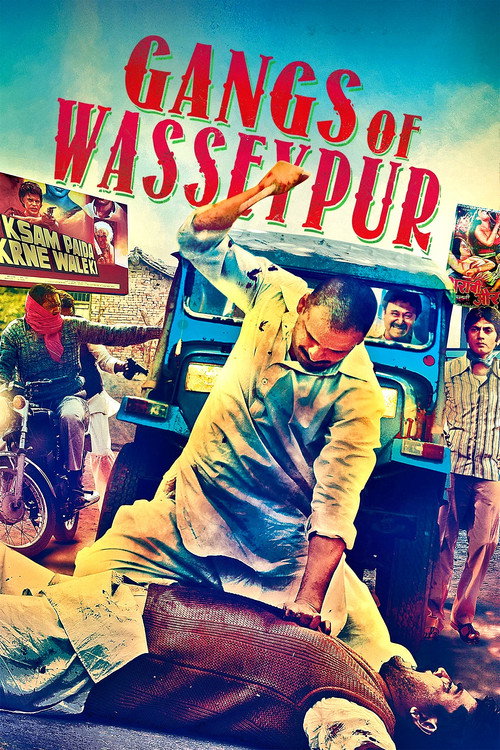
2012
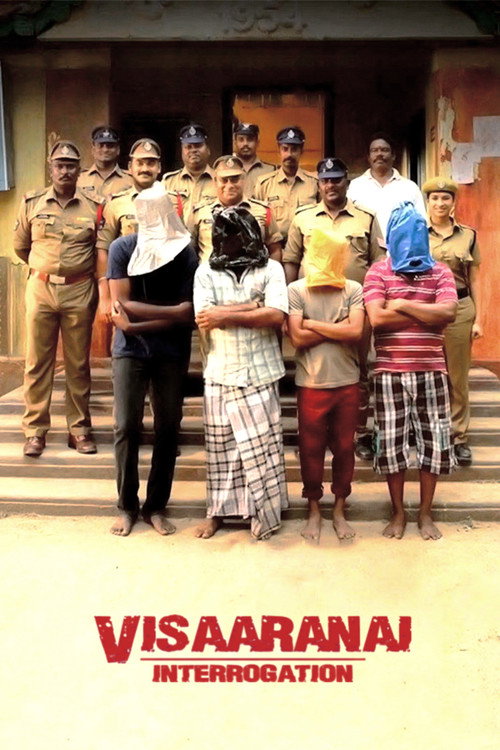
2016
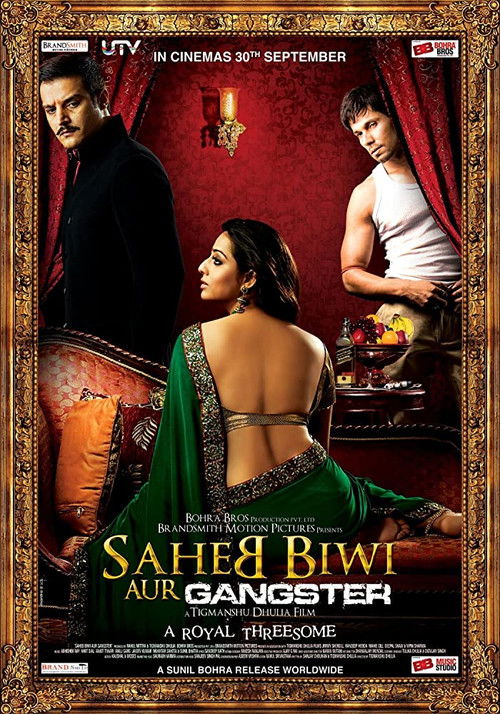
2011
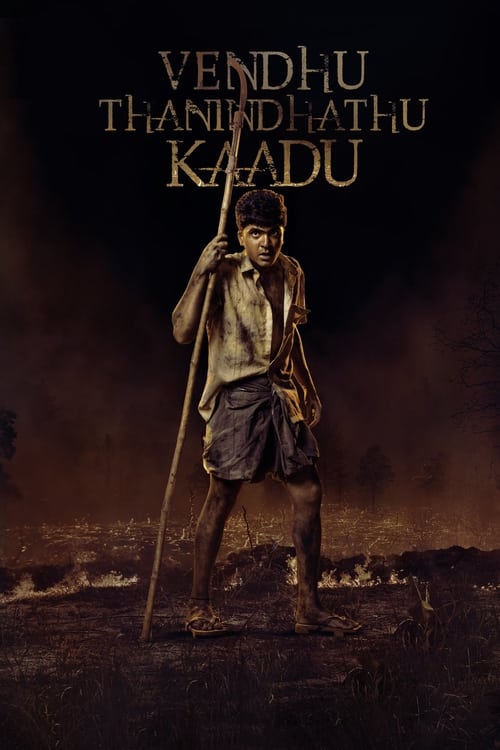
2022
No reviews yet. Be the first to share your thoughts on this movie!
Use the rating form above to leave a star rating and optional review.