Street Warriors II
1979
No user ratings available yet
Representation score: 3.2 out of 10
Representation Score
Fair
1984
Director
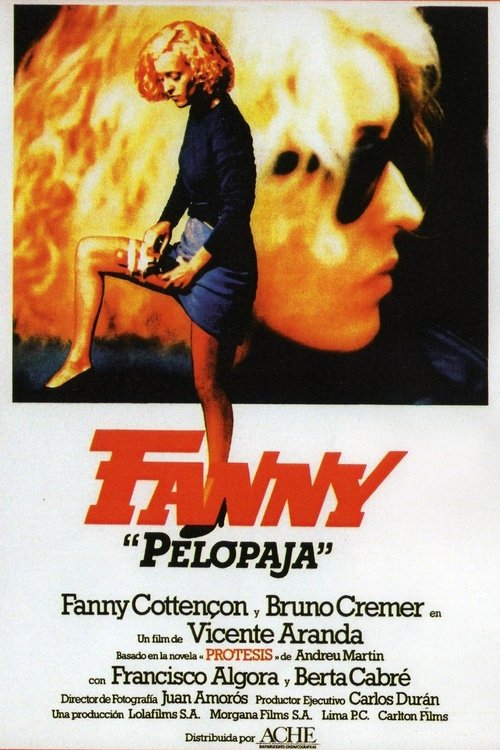
Vicente Aranda
Runtime
100 minutes
Average Rating
No ratings yetNew Showbiz Analysis
Vicente Aranda’s crime drama effectively challenges traditional gender roles by placing a woman at the forefront of a violent vendetta. Fanny’s active role and autonomy provide a powerful counterpoint to conventional feminine roles in 1980s cinema. However, the film’s focus is narrow, emphasizing class-based conflicts and systemic corruption over multi-layered identities or racial diversity. This reflects the social context of its time. While the film offers a nuanced critique of institutional authority, it lacks central representation for LGBTQ+ characters or individuals with disabilities, resulting in a moderate overall diversity profile.
Category Breakdown
The film touches on various underrepresented identities within Barcelona's urban setting, though it doesn't feature explicit LGBTQ+ character arcs. Instead, it uses subtle hints about gender performance to go beyond simple assumptions about straight relationships.
Fanny challenges traditional gender roles by taking control of the plot. Her autonomy and lethal intentions defy the 'damsel in distress' stereotype in a violent, male-dominated world.
The story centers on class and criminality within the lower socioeconomic strata of Barcelona. It reflects the local Mediterranean demographics of 1980s Spain without highlighting explicit ethnic diversity.
The film critiques systemic corruption by portraying a policeman as a brutal antagonist. It questions the sanctity of Western institutions through a lens of moral relativism and revenge.
There is no significant portrayal of physical or neurodivergent disabilities as central narrative elements.
Present on Screen
Limited or Absent
Official Synopsis
In the slums of Barcelona, Fanny, a woman just released from prison, tries to carry out a revenge that has nourished for years: to kill "El Gallego", the corrupt and brutal policeman who killed her boyfriend
1979
1983
1985
1979
1981
2000
1985
1981
No reviews yet. Be the first to share your thoughts on this movie!
Use the rating form above to leave a star rating and optional review.