The Sheik and I
2012
No user ratings available yet
Diversity score: 6.6 out of 10
2011
Director
Viola Shafik
Runtime
98 minutes
Average Rating
No ratings yetSynopsis
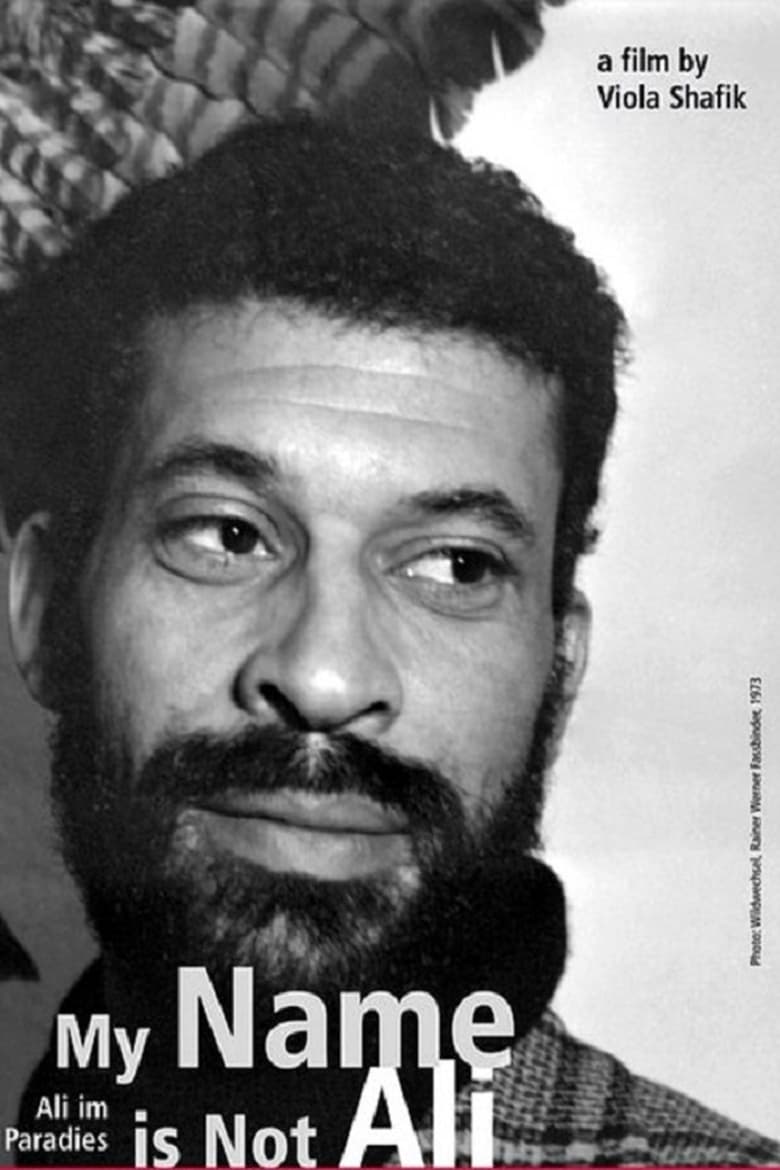
Travelling between Germany, France, and Tunisia, Viola Shafik reconstructs and deconstructs the unknown life story of El Hedi Ben Salem through interviews with his companions and family members as well as archival material. With openness and slight naivety, the interviewees explain how “Ali” became an oriental object of projection for the Fassbinder group, while El Hedi Ben Salem, the human being, was overlooked in order to establish the foreigner as “other.” A no-frills examination of a piece of German and Munich film history.
Overall Score
Good
Category Breakdown
LGBTQ+ Representation
The documentary does not explicitly center queer identities or non-cisnormative narratives. While it explores human connections within the Fassbinder circle, there is no overt representation of specific LGBTQ+ identities.
Gender Representation
The film reclaims the humanity of a male subject who was historically reduced to a trope. However, the narrative remains focused on male experiences and male-dominated film circles in Munich.
Racial & Ethnic Diversity
This is the film's strongest area, offering a profound post-colonial critique. It disrupts the white gaze by reconstructing the life of an Egyptian/Tunisian subject stripped of his identity.
Religious & Cultural Diversity
The work critiques how Western institutions commodify the foreigner. It prioritizes the subjective truth of the marginalized individual over the reductive historical records of the dominant culture.
Disability Representation
There is no significant evidence regarding the portrayal of physical or neurodivergent disabilities within the film's subject matter.
Strengths
Areas for Improvement
AI Analysis
Viola Shafik’s documentary is a sophisticated deconstruction of how Western cinema 'others' non-Western subjects. By shifting the focus from an orientalized object to the human agency of El Hedi Ben Salem, the film challenges systemic colonialist tropes. The work excels in racial and cultural critique, reclaiming an ethnic identity that was historically distorted by the German film industry. It serves as a powerful act of intellectual and cultural reclamation. While the film lacks specific representation for LGBTQ+ or disability identities, its systemic analysis of the Western gaze provides significant agency to the marginalized subject.
2012
2011
2019
2009
2016
2013

2017
2006
1981
2009

2015
2016
No reviews yet. Be the first to share your thoughts on this movie!
Use the rating form above to leave a star rating and optional review.