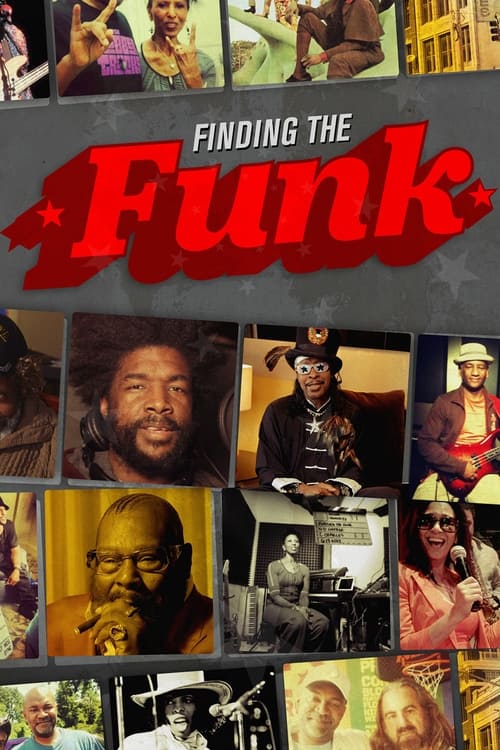
Finding the Funk
2014
No user ratings available yet
Representation score: 6.9 out of 10
Representation Score
Good
2025
Director
Stanley Nelson, Nicole London
Runtime
90 minutes
Average Rating
No ratings yetNew Showbiz Analysis
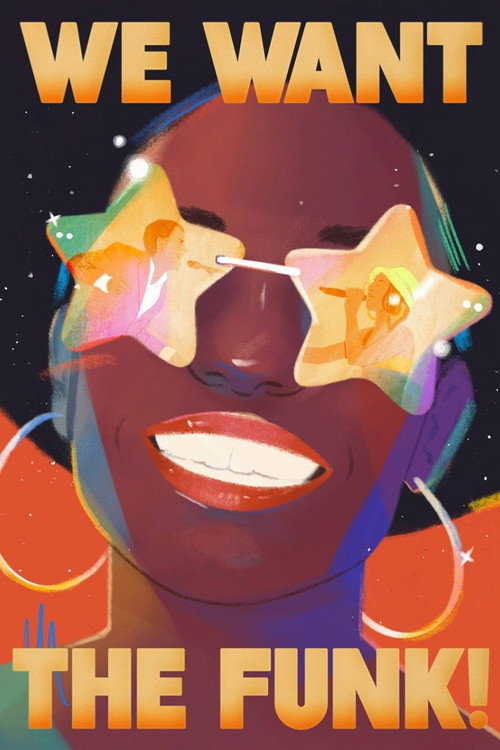
We Want the Funk! serves as a powerful medium for cultural reclamation. By centering Black creators and the history of the African Diaspora, the film challenges traditional Western musical hierarchies and Eurocentric perspectives. The documentary explores how music responds to systemic oppression, highlighting how funk shapes communal identity and social expression. While the film excels in its racial and cultural focus, it offers less explicit exploration of queer identities and disability, remaining more focused on musical lineage.
Category Breakdown
The film includes figures like Nona Hendryx, who have queer-coded performances. It explores non-traditional gender expressions but focuses more on musical lineage than on queer-centric stories.
The documentary challenges male-dominated funk narratives by highlighting female icons such as Nona Hendryx, emphasizing their ability to act and intellect.
This film stands out by focusing on Black musical innovation and urban cultural history. It centers the African Diaspora, reclaiming ability to act and deconstructing Eurocentric views.
The film celebrates funk as a means of community resilience against systemic oppression. It emphasizes communal identity and anti-establishment sentiment over Western dominance.
There is no evidence within the provided material to evaluate the depiction of visible or invisible disabilities.
Present on Screen
Limited or Absent
Official Synopsis
Stanley Nelson's syncopated voyage through the history of funk music, from early roots to 1970s urban funk and beyond.
2014
2018
2016
2021
2010
2021

2025
2024
No reviews yet. Be the first to share your thoughts on this movie!
Use the rating form above to leave a star rating and optional review.