
Cherry
1999
No user ratings available yet
Representation score: 5.4 out of 10
Representation Score
Good
1999
Director
Kay Mellor
Average Rating
No ratings yetNew Showbiz Analysis
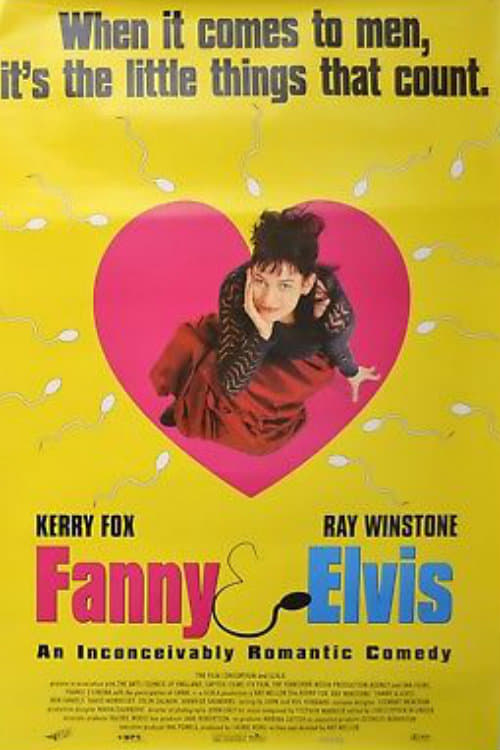
Fanny & Elvis is a character-driven story that highlights female resilience and empowerment. The narrative successfully challenges traditional gender hierarchies by placing the female protagonist as the key decision-maker during times of personal and financial turmoil. However, the film lacks depth in addressing multiple aspects of identity. The demographic representation is mostly uniform, and the story remains anchored in a conventional framework typical of its time. While it offers a forward-thinking perspective on domestic power dynamics and reproductive rights, it misses opportunities to explore broader issues related to racial, LGBTQ, or disability diversity.
Category Breakdown
The film follows a conventional romantic trajectory focused on heterosexual relationships. It does not center on LGBTQ narratives or non-binary gender identities, sticking to typical late-90s romantic comedy structures.
Kate is the main driver of her own life, handling both financial crises and decisions about her reproductive future. The film challenges traditional gender roles by showing the male character in a vulnerable, homeless situation.
The cast is fairly uniform, with no significant racial diversity or intentional casting to challenge societal norms.
The story questions the stability of traditional nuclear families and Western domestic institutions. It emphasizes personal truth and individual survival over strict religious or social conventions.
Neurodivergence, physical disabilities, or chronic illnesses are not central to the character arcs. These elements are not used as meaningful narrative tools in the film.
Present on Screen
Limited or Absent
Official Synopsis
Yorkshire writer Kate finds out her biological clock is ticking down the same day that her husband leaves her. To get over the financial crisis this creates she takes in car-dealer Dave. He's homeless as Kate's husband has moved in with his wife. This leaves the problem of how to get promptly pregnant. Surely not with increasingly interesting Dave. They can't even agree on a baby's name - he thinks Fanny is silly and she finds Elvis, well, inconceivable.
1999
1989
1997

1999
1992
1987

2020

2019
No reviews yet. Be the first to share your thoughts on this movie!
Use the rating form above to leave a star rating and optional review.