Departure
2016
No user ratings available yet
Representation score: 5.3 out of 10
Representation Score
Good
2021
Director
Rikiya Imaizumi
Runtime
115 minutes
Average Rating
No ratings yetNew Showbiz Analysis
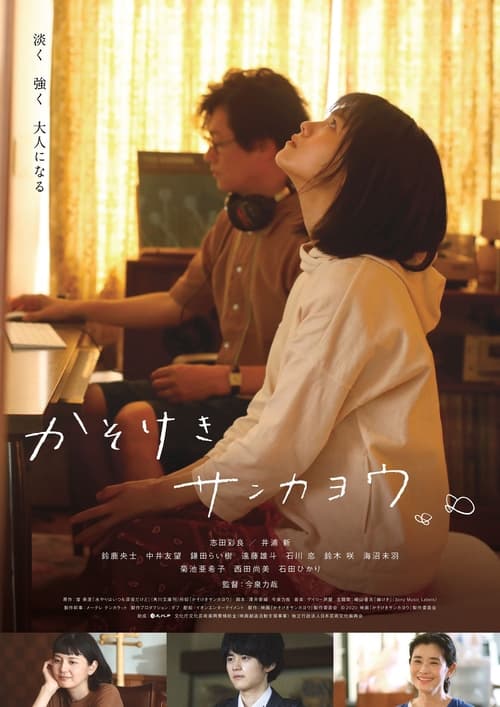
Skeleton Flowers offers a sophisticated deconstruction of the traditional nuclear family, avoiding clichéd reunification narratives. Instead, it delves into the complexities and emotional residues of blended family structures. The film excels in its nuanced portrayal of gendered subjectivity and women's ability to drive the story, challenging the notion of an idealized domestic life. However, its demographic homogeneity limits the scope of representation, particularly in terms of LGBTQ+ identities, racial diversity, and disability.
Category Breakdown
The film centers on traditional family structures and relationships, with no explicit representation of LGBTQ+ identities or same-sex intimacy.
Female characters play a significant role in driving the narrative, focusing on their emotional intelligence and decision-making in domestic settings.
The cast is ethnically homogeneous, reflecting a specific Japanese social context without engaging in multicultural representation.
The film explores the fragility of traditional family stability within modern, isolating social structures, emphasizing emotional complexity over idealized family unity.
The film does not prominently depict visible or invisible disabilities, presenting psychological isolation as a universal human experience rather than a specific exploration of neurodivergence.
Present on Screen
Limited or Absent
Official Synopsis
High school student, Yo, lived with her father, Nao, after her mother, Sachiyo, left the family when she was very young. However, their life together came to an end and they started a new life as a family of four with her father's second marriage partner, Miko, and her stepdaughter, four-year-old Hinata. She confides in Riku, who belongs to the same art club as Yo, about her confusion about this new life. Yo, who has been developing curiosity for her biological mother, Sachiyo, promises to go with Riku to Sachiyo's art exhibition.
2016
2020
2020

2014

2022
2013
2013
2021
No reviews yet. Be the first to share your thoughts on this movie!
Use the rating form above to leave a star rating and optional review.