Union City
1980
No user ratings available yet
Representation score: 4.8 out of 10
Representation Score
Fair
2006
RDirector
Danny Green
Runtime
97 minutes
Average Rating
No ratings yetNew Showbiz Analysis
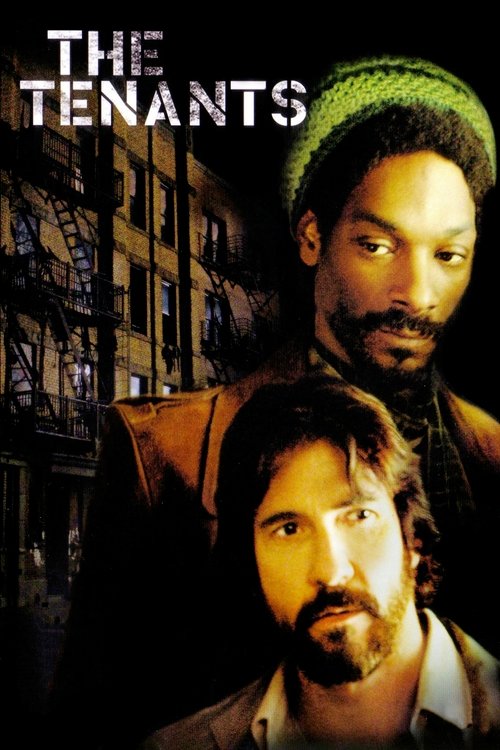
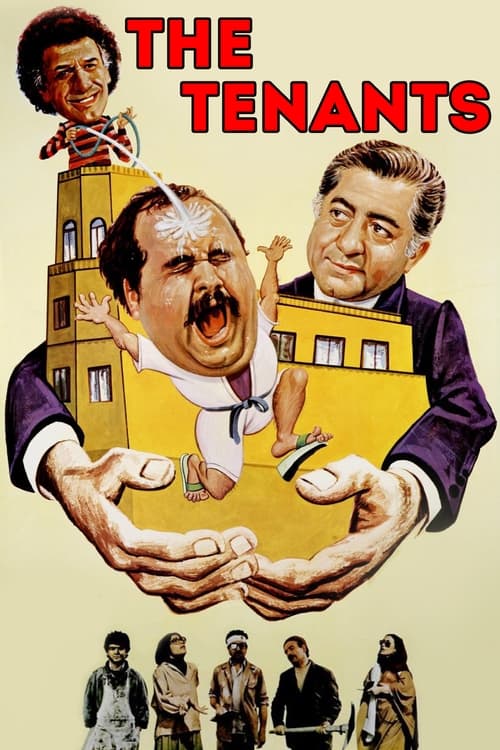
The Tenants functions as a character study that uses racial and ethnic identity as a catalyst for narrative tension. By centering the story on the antagonistic relationship between a Jewish novelist and a Black writer, the film avoids including someone from a minority group without giving them real depth and provides meaningful representation. However, the film's scope is limited to specific ethnic friction, focusing on interpersonal and identity-based conflict rather than broader social themes. This keeps the overall score moderate.
Category Breakdown
The film does not include any explicit LGBTQ+ characters or narratives. The main storyline revolves around racial and professional conflicts rather than queer themes.
The story focuses on a male-dominated professional rivalry, and the lack of female protagonists in the primary conflict limits the exploration of gender dynamics.
The film provides meaningful representation by centering the plot on the friction between a Jewish novelist and a Black writer. Ethnic identity plays a key role in character development.
The story engages with specific Jewish and Black cultural identities. It explores the nuances of their coexistence within a domestic and professional setting.
There are no characters with visible or invisible disabilities in the film.
Present on Screen
Limited or Absent
Official Synopsis
The story of a Jewish novelist, Harry Lesser, struggling to complete his latest work, and his antagonistic relationship with a black writer who moves in down the hall.
1980
2015
2016
2003

2022
1993
1987

2010
No reviews yet. Be the first to share your thoughts on this movie!
Use the rating form above to leave a star rating and optional review.