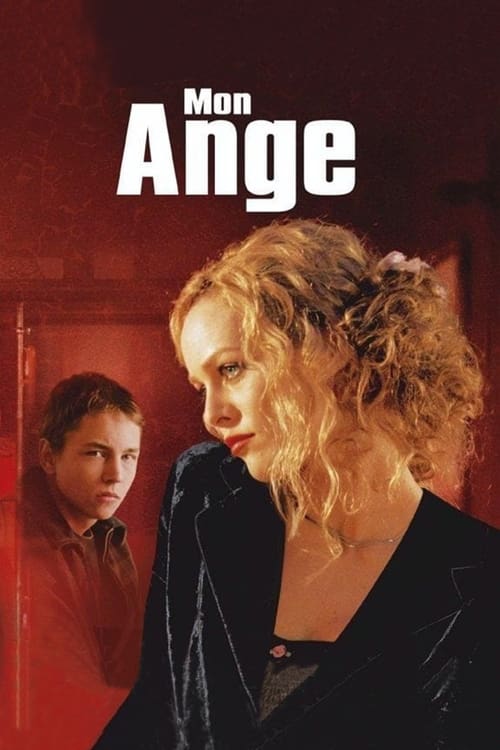
My Angel
2004
No user ratings available yet
Representation score: 4.2 out of 10

Representation Score
Good
1996
UnratedDirector
Bertrand Blier
Runtime
99 minutes
Average Rating
No ratings yetNew Showbiz Analysis
Bertrand Blier’s film deconstructs traditional romantic structures by centering a underrepresented woman who play a significant role in driving the story. Marie drives the narrative, providing stability for a man who lacks social and economic footing. The work excels in challenging conventional gender roles and institutional morality. However, it remains limited by a lack of racial and LGBTQ+ diversity, focusing instead on a specific, localized social context. Ultimately, the film’s strength lies in its refusal to conform to traditional moralistic storytelling, instead elevating a non-conformist lifestyle as a valid site of human connection.
Category Breakdown
The story focuses on a relationship between Marie and a homeless man, which is centered around heterosexual dynamics. The film does not prominently feature non-binary or LGBTQ+ identities or character arcs.
Marie challenges traditional gender roles by serving as the main economic and emotional support. The male lead is portrayed with instability, shifting the power dynamic away from conventional masculine leadership.
The cast is primarily made up of actors from similar backgrounds, reflecting a specific French social environment. The film does not actively seek to include diverse racial or ethnic backgrounds.
The film critiques institutional norms by portraying a sex worker's life through the lens of personal autonomy. It questions traditional morality and the legal system's understanding of unconventional lifestyles.
While the film explores socioeconomic issues through homelessness, it does not focus on specific physical or neurological disabilities as central identities.
Present on Screen
Limited or Absent
Official Synopsis
In Lyon, where many are unemployed, Marie is a prostitute who loves her work: she's thoughtful and exuberant toward clients old and young, slim or flabby. One night, a homeless man sleeps in the foyer of her apartment house; she gives him a hot meal, then a place on the floor to sleep by her radiator, then she offers herself. She falls in love, giving him new life, clothes, a place to live. When he grouses that he must bar hop while she uses the flat for her work, she finds them a larger flat. He grows restless, seducing a manicurist and pressing her to prostitution. He's arrested for procuring, so Marie must decide what to do; he, too, must face the consequences of his choices.
2004
1961
1972

2018

1986
1998
1999

1978
No reviews yet. Be the first to share your thoughts on this movie!
Use the rating form above to leave a star rating and optional review.