
The Iron Mask
1960
No user ratings available yet
Representation score: 1.9 out of 10
Representation Score
Limited
1957
Director
Rafael Baledón
Runtime
80 minutes
Average Rating
No ratings yetNew Showbiz Analysis
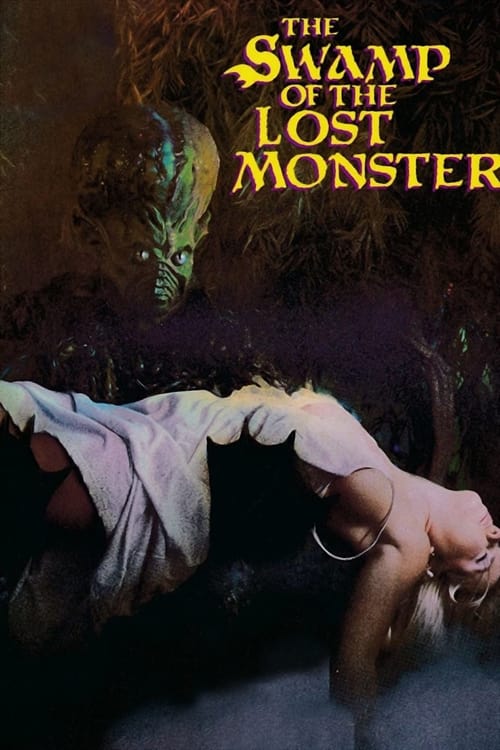
Swamp of the Lost Monster is a product of its time, using mid-century genre conventions to support existing social structures. The narrative emphasizes traditional masculine leadership and adheres to the demographic norms typical of 1950s Western and horror films. Instead of critiquing society, the film employs mystery and horror elements to maintain institutional stability. The central monster acts as a plot device to symbolize an external threat to the established order. Overall, the film does not aim to disrupt the status quo but rather functions as a typical genre piece that mirrors the conventional views on race, gender, and identity from that era.
Category Breakdown
The film does not include any characters with non-binary gender identities or same-sex relationships, sticking to the assumption that everyone is straight and cisgender.
The story focuses on a male detective and his sidekick, emphasizing traditional masculine roles and control. It does not challenge the idea that men should have authority.
The film features a predominantly white cast, reflecting the homogeneity of casting practices from that era. There is no attempt to include actors from diverse racial backgrounds.
The movie follows a traditional Western storyline that upholds binary moral systems. It uses horror elements to defend the status quo against perceived threats from outsiders.
The gill man serves as a standard monster cliché, representing an external threat rather than a nuanced portrayal of physical disability.
Present on Screen
Limited or Absent
Official Synopsis
A disappearing body leads a detective and his sidekick into an encounter with a gill man.
1960
1939

1958
1955
1957
1943
1959

1933
No reviews yet. Be the first to share your thoughts on this movie!
Use the rating form above to leave a star rating and optional review.