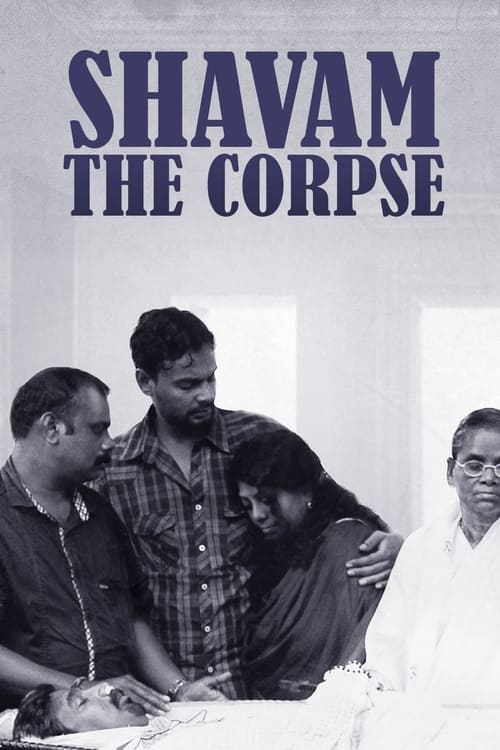
The Corpse
2015
No user ratings available yet
Representation score: 5.3 out of 10

Representation Score
Fair
2021
Director
Halitha Shameem
Runtime
153 minutes
Average Rating
No ratings yetNew Showbiz Analysis
Aelay is a significant piece of regional cinema that examines how state-level conflicts affect remote, underrepresented populations. It prioritizes the subjective experience of a female protagonist over broader masculine military conflicts. The film's strength lies in its ability to emphasize the fluidity of human connection over rigid religious and national identities. By doing so, it challenges the sanctity of nationalist fervor and institutionalized division. While the film provides a profound critique of systemic power dynamics, it lacks representation for LGBTQ+ identities and does not address disability, resulting in a moderate overall diversity score.
Category Breakdown
The film does not include any LGBTQ+ characters or non-straight relationships. It focuses on interpersonal connections within the Ladakh region's established social framework.
The story challenges traditional gender roles by focusing on a young female protagonist. She navigates emotional and social landscapes usually dominated by male-centric military or political perspectives.
The film highlights the unique ethnic characteristics of Ladakh. It avoids a homogenized approach, offering a detailed look at a multi-faith society where religious and ethnic identities intersect.
The story questions traditional nationalist and religious institutions. It suggests that human connection is more important than the artificial boundaries imposed by state-driven borders and war.
There is no significant evidence regarding the portrayal of physical or neurodivergent disabilities in this work.
Present on Screen
Limited or Absent
Official Synopsis
An embittered son returns to his native village to perform the final rites of his dead father.
2015

2018

2016

2018

2018
2016
2025

2001
No reviews yet. Be the first to share your thoughts on this movie!
Use the rating form above to leave a star rating and optional review.