Aelay
2021
No user ratings available yet
Representation score: 4.6 out of 10
Representation Score
Fair
2015
Director
Don Palathara
Runtime
63 minutes
Average Rating
No ratings yetNew Showbiz Analysis
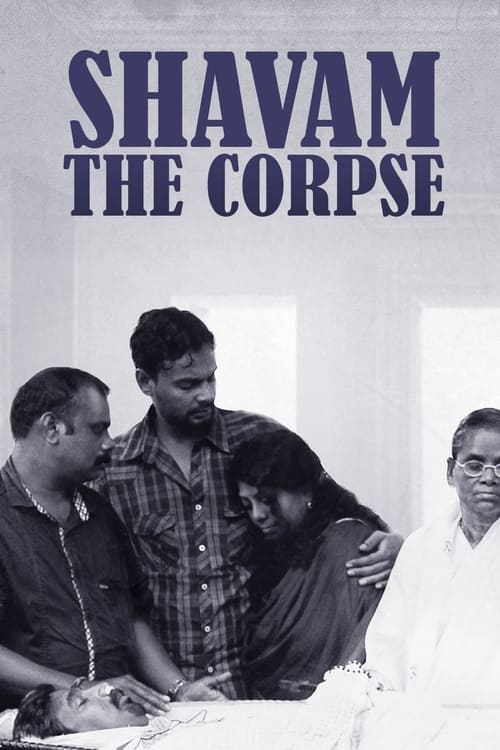
The Corpse functions as a localized, character-driven comedy that centers a non-Western narrative. By focusing on the domestic rituals following Thomas Ittikkora's death, the film moves away from mainstream commercial clichés in favor of social observation. The film's strength lies in its cultural specificity and its departure from idealized domesticity. It uses a communal grieving process to explore interpersonal dynamics and social frictions within a specific regional context. However, the film's representation remains largely neutral regarding specific identity-driven roles. Without more granular detail, it is difficult to confirm if the work actively challenges systemic hierarchies or provides specific representation for LGBTQ+ or disabled characters.
Category Breakdown
The film does not explicitly confirm non-straight relationships. However, the director's independent background suggests a potential for nuanced character studies beyond typical Hollywood formulas.
The domestic setting of a family gathering provides a framework for negotiating gender roles. The comedy genre offers a structural opportunity to satirize traditional family hierarchies.
As a piece of regional Indian cinema, the film centers on non-Western identities. It inherently disrupts homogeneous Western norms by focusing on localized cultural specificities.
The funeral premise allows for an exploration of ritual and subjective morality. The narrative likely uses the family unit to critique social institutions through situational ethics.
There is no evidence available to determine if characters with physical or neurodivergent disabilities are portrayed in the film.
Present on Screen
Limited or Absent
Official Synopsis
Thomas Ittikkora is dead. Family and friends gather at his home for the pre-funeral ceremonies.
2021

2013
2025
2002
2019
1986
2009
2010
No reviews yet. Be the first to share your thoughts on this movie!
Use the rating form above to leave a star rating and optional review.