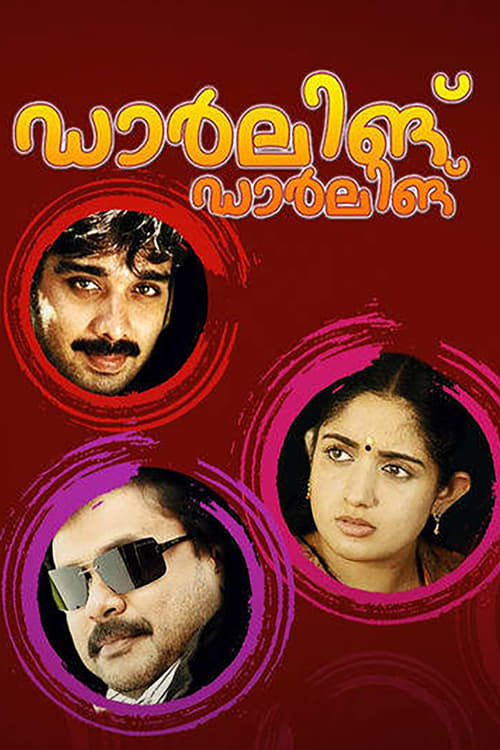
Darling Darling
2000
No user ratings available yet
Representation score: 2.0 out of 10
Representation Score
Limited
2001
Director
Sibi Malayil
Runtime
152 minutes
Average Rating
No ratings yetNew Showbiz Analysis
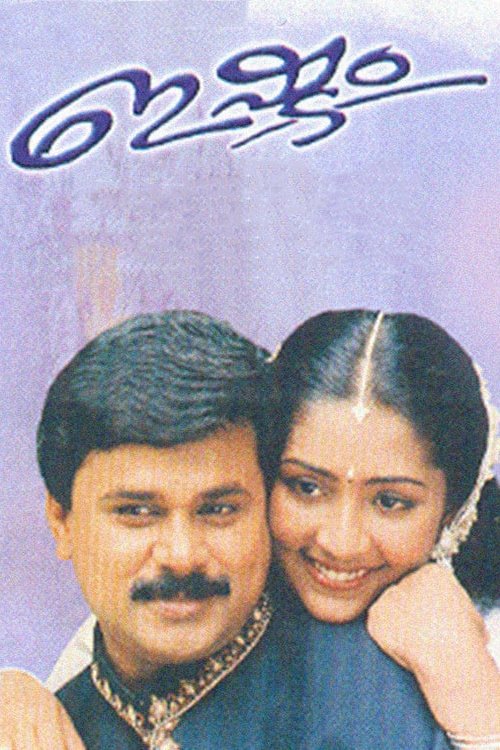
Ishtam operates as a conventional romantic comedy that prioritizes social cohesion and familial reconciliation. The story centers on restoring a lost connection between a widowed father and a teacher, mediated by a younger protagonist. The film follows traditional narrative structures common in regional commercial cinema. It focuses on interpersonal relationships and the reinforcement of established social norms rather than dismantling hierarchies. Ultimately, the work serves as a culturally specific story celebrating traditional romantic clichés and the significance of maintaining historical emotional ties within a family structure.
Category Breakdown
The film focuses on heterosexual romantic relationships between a widowed father and a female teacher. It does not include any characters with non-traditional gender identities or stories that question the assumption that everyone is straight or cisgender.
The female teacher holds a professional position but her role is mainly defined by her past relationship. The male protagonist drives the plot, indicating traditional gender roles where men typically control the emotional direction.
The cast is ethnically uniform, representing a specific Malayali identity. The film does not blend in diverse racial or ethnic backgrounds.
The story emphasizes family bonds and the preservation of past emotional ties. It reinforces conventional family structures and romantic ideals without challenging social institutions.
The narrative does not involve characters navigating physical, sensory, or neurodivergent experiences.
Present on Screen
Limited or Absent
Official Synopsis
When Pavan realises that his friend Anjana's teacher and his widowed father were in love with each other, he resolves to reunite them.
2000
1989

2019

2019
2009
2016
2019
2000
No reviews yet. Be the first to share your thoughts on this movie!
Use the rating form above to leave a star rating and optional review.