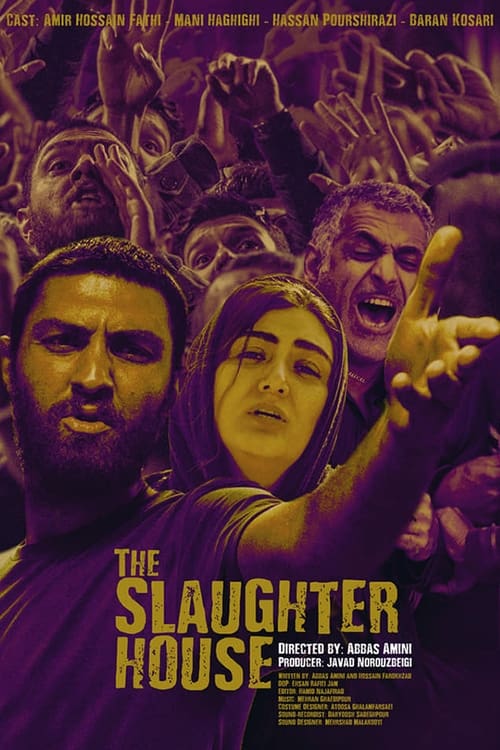
The Slaughterhouse
2020
No user ratings available yet
Representation score: 8.1 out of 10

Representation Score
Good
2001
Director
Bahram Beyzai
Runtime
143 minutes
Average Rating
No ratings yetNew Showbiz Analysis
Bahram Beyzai’s direction brings a sophisticated narrative structure that explores the tension between individual control and systemic constraints. By centering a female intellectual, the film disrupts traditional gender hierarchies and shifts the focus of responsibility to a woman. The film's strength lies in its positioning as a non-Western narrative. It challenges the dominance of Western-centric storytelling by prioritizing Middle Eastern social and economic realities over conventional Hollywood formulas. However, the film remains at a baseline for LGBTQ+ representation and offers no discernible focus on disability. While culturally rich, it does not explicitly address these specific identity dimensions.
Category Breakdown
The film does not include any explicit references to LGBTQ+ characters or non-cisgender identities. The story focuses on the domestic and financial challenges faced by the main character.
Golrokh, an author, is the main character and driver of the story. She deals with complex debts and betrayals, roles typically reserved for male protagonists in traditional thrillers.
This Iranian production offers a non-Western perspective that avoids Anglo-Saxon cinematic clichés. It provides a naturalistic immersion into Middle Eastern social and economic realities.
The story critiques systemic instability and the erosion of institutional trust. It emphasizes intellectualism and subjective experience through the lens of a protagonist navigating social pressures.
There is no verifiable information regarding the portrayal of physical or neurodivergent disabilities in this work.
Present on Screen
Limited or Absent
Official Synopsis
Golrokh, an Iranian author, struggles to settle her husband's debts caused by a business partner who left him to bear the consequences.
2020
2007
2000

2011

2016
2009

2015

2007
No reviews yet. Be the first to share your thoughts on this movie!
Use the rating form above to leave a star rating and optional review.