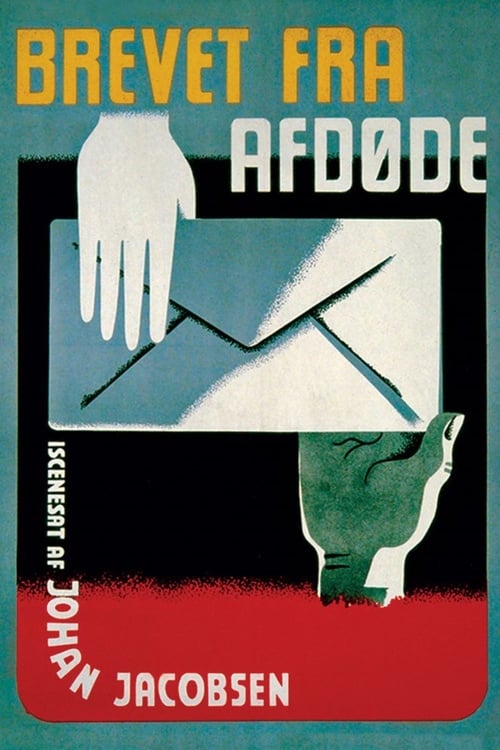
Letter from the Dead
1946
No user ratings available yet
Representation score: 1.6 out of 10
Representation Score
Minimal
1968
Director
Luis César Amadori
Runtime
105 minutes
Average Rating
No ratings yetNew Showbiz Analysis
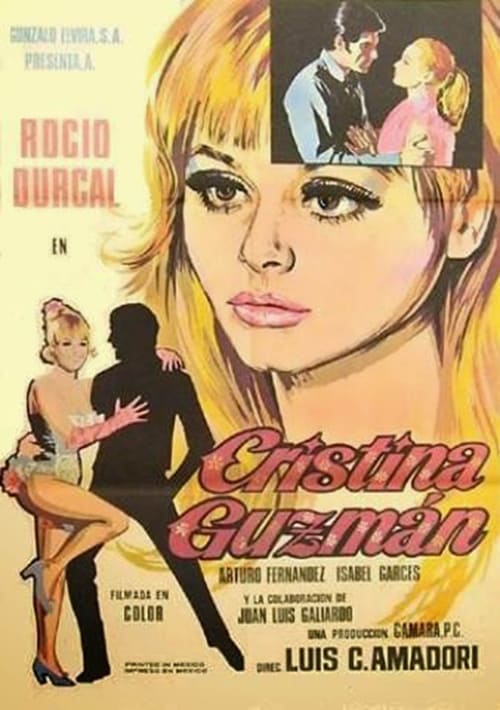
Cristina Guzmán is a product of its specific historical and geographical era, functioning as a typical genre piece. It prioritizes established commercial conventions and star-driven narratives over the deconstruction of social hierarchies. The film maintains the cultural status quo, offering little in the way of diverse representation or systemic critique. Its focus remains on traditional dramatic and musical structures common to mid-century Spanish cinema. Ultimately, the work reflects the demographic and social norms of 1968, lacking the varied perspectives needed to challenge the period's prevailing institutional values.
Category Breakdown
The film does not include any representations of LGBTQ+ identities or same-sex relationships, adhering to the social norms of 1968 Spain.
Despite featuring a strong female protagonist, the story follows traditional melodrama patterns. Women's roles seem tied to romantic or family conflicts rather than challenging patriarchal structures.
The film reflects the cultural uniformity of its time. The cast and setting suggest a lack of racial or ethnic diversity within this European context.
The story upholds the social and moral values of late-1960s Spanish society. It follows conventional moral arcs without critiquing Western institutions or promoting secularism.
There are no depictions of physical or neurodivergent disabilities in this work.
Present on Screen
Limited or Absent
1946
1994
2021
1966
1978

2018
1989
1961
No reviews yet. Be the first to share your thoughts on this movie!
Use the rating form above to leave a star rating and optional review.