
R.V.S.
1978
No user ratings available yet
Representation score: 2.2 out of 10
Representation Score
Limited
1937
Director
Vladimir Legoshin
Runtime
92 minutes
Average Rating
No ratings yetNew Showbiz Analysis
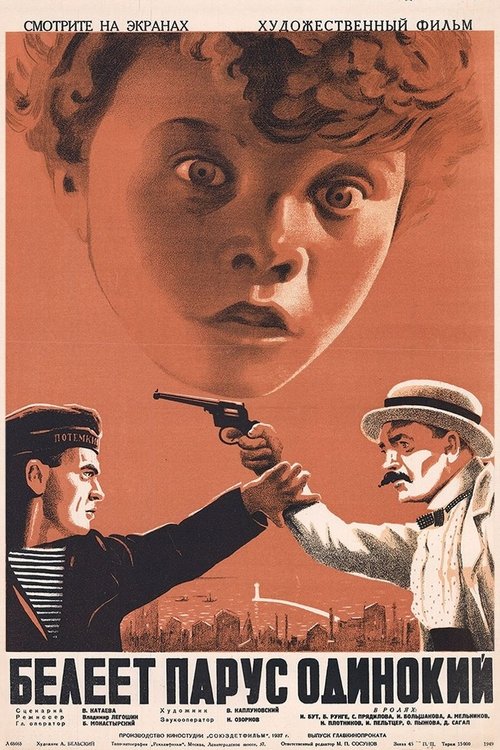
The Lonely White Sail is a political adventure set in the 1930s that emphasizes ideological struggle over individual identity. While it successfully critiques traditional institutions, it operates within a limited scope of representation. The film’s strengths lie in its effective portrayal of collective resistance against oppressive political forces. However, it lacks the broad range of diverse identities and character's ability to drive the story needed for a modern audience. Overall, the production reflects its 1937 geopolitical context, favoring collective revolutionary heroism over a wide spectrum of human identities.
Category Breakdown
The film does not include any LGBTQ+ identities or same-sex relationships. It focuses on the traditional friendship between two young boys in the 1930s.
The story centers around masculine heroes, primarily young boys and an officer. Female characters and diverse gender roles are notably absent.
The film addresses the socio-political tensions of post-revolutionary Russia. The conflict highlights ideological differences rather than a mix of ethnicities or diverse backgrounds.
The story effectively challenges the old imperial order by criticizing the White Russian faction. It aligns with the era’s values regarding systemic change and rejecting traditional hierarchies.
There is no depiction of physical or neurodivergent disabilities in this adventure.
Present on Screen
Limited or Absent
Official Synopsis
Two young boys strive to save the life of an officer trapped by the White Russians. Their efforts are both comic and dramatic
1978
1970
1952
1989
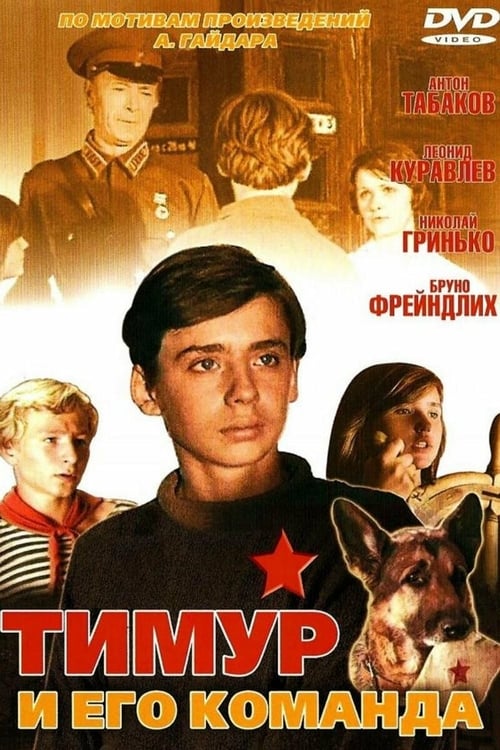
1977
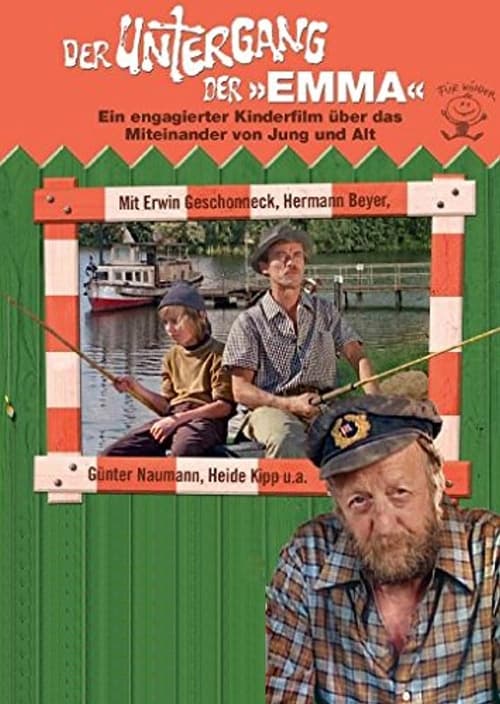
1974
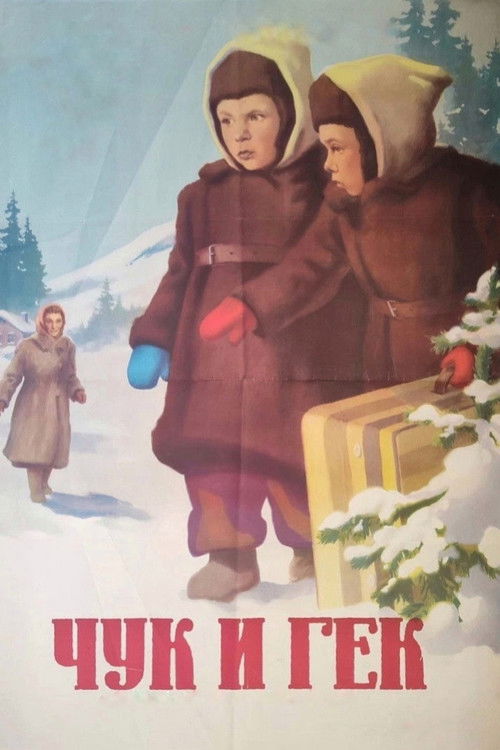
1953
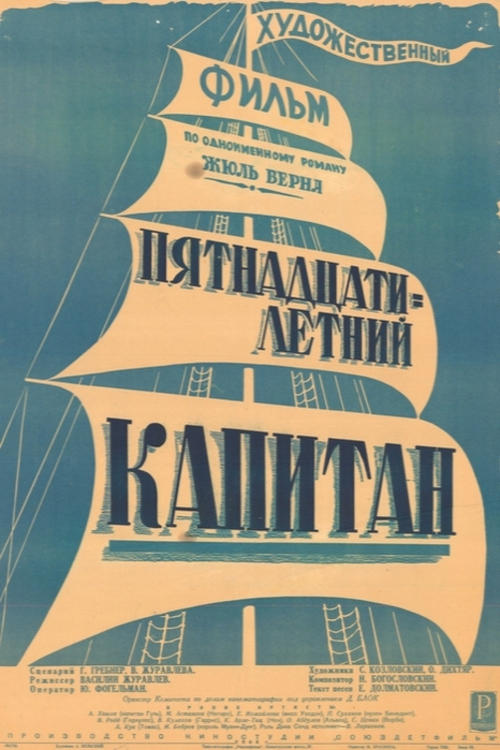
1946
No reviews yet. Be the first to share your thoughts on this movie!
Use the rating form above to leave a star rating and optional review.