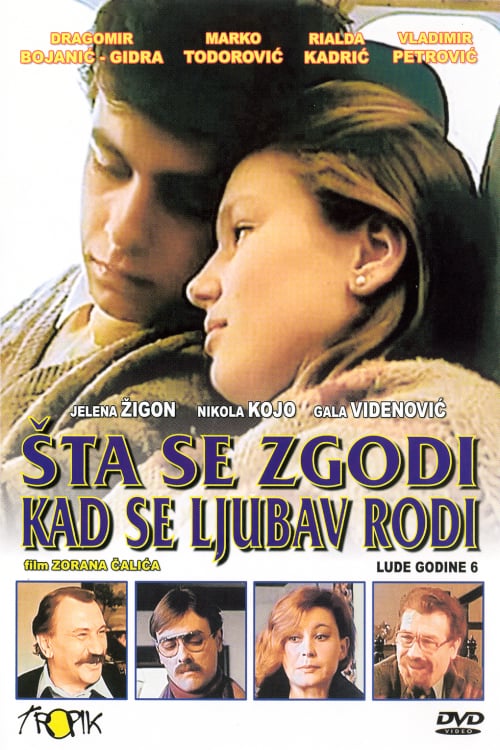
What Happens When Love Comes to Town
1984
No user ratings available yet
Representation score: 4.3 out of 10

Representation Score
Fair
1977
Director
Dejan Karaklajić
Runtime
100 minutes
Average Rating
No ratings yetNew Showbiz Analysis
The film serves as a character-driven coming-of-age story that questions the stability of the traditional family unit. By focusing on the transient nature of bridge-building, it shifts attention from domestic comfort to systemic instability. Despite the lack of specific LGBTQ+ or disabled representation, the film explores class and labor issues through a nomadic lifestyle. It moves away from strict moralism to examine personal, individual emotional experiences. Ultimately, the film stands out for its departure from Western domestic ideals, emphasizing the social and emotional disruptions of a nomadic working-class lifestyle.
Category Breakdown
The film doesn't explicitly confirm any LGBTQ+ identities or non-straight relationships. The story follows a traditional romantic plot focused on the main character’s quest for love.
The story centers around the growth of a male protagonist. However, it may critique traditional masculinity by showing how the father's job leads to the family's emotional struggles.
Reflecting the diverse ethnic makeup of 1977 Yugoslavia, the film likely mirrors the region's demographics. Without specific casting details, the representation aligns with the era's standards.
The film challenges the idea of a perfect home by showing the family as a source of instability. It highlights labor and a nomadic lifestyle over traditional middle-class stability.
There is no indication of physical or neurodivergent disabilities being shown in the story.
Present on Screen
Limited or Absent
Official Synopsis
Trajković family are bridge builders. Being forced to move every once in a while, the bridges are everything but pleasant thing for 17 year old Budimir, who is unable to make any permanent love relationship. In their last attempt to settle down in capital, a boy will experience love in its full meaning.
1984
1984

1958
1980

1985
1957
1974
1994
No reviews yet. Be the first to share your thoughts on this movie!
Use the rating form above to leave a star rating and optional review.