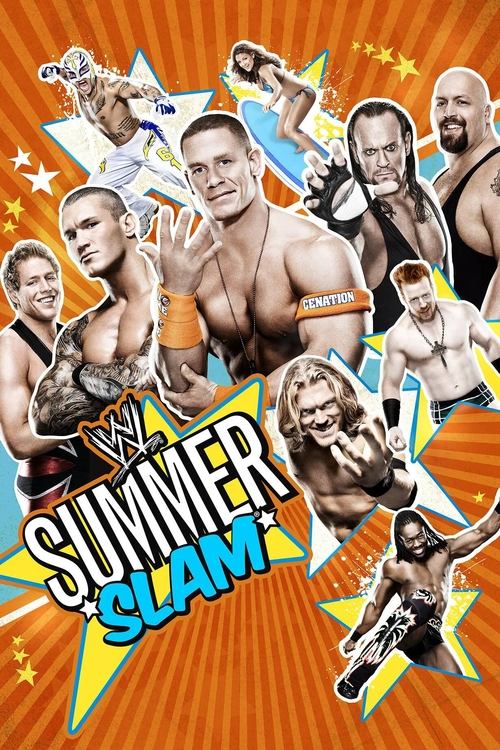
WWE SummerSlam 2010
2010
No user ratings available yet
Diversity score: 2.8 out of 10

2006
PG-13Runtime
180 minutes
Average Rating
No ratings yetSynopsis
SummerSlam (2006) was the nineteenth annual SummerSlam PPV. It took place on August 20, 2006 at the TD Banknorth Garden in Boston, Massachusetts, and featured performers from the Raw, SmackDown!, and ECW brands. This marked the first inter-brand pay-per-view to feature the ECW brand. The main match on the Raw brand was Edge versus John Cena for the WWE Championship. The featured match on the SmackDown! brand was King Booker versus Batista for the World Heavyweight Championship. The primary match on the ECW brand was The Big Show versus Sabu in an Extreme rules match for the ECW World Championship. The featured matches on the undercard included D-Generation X (Triple H and Shawn Michaels) versus Vince and Shane McMahon) and Hulk Hogan versus Randy Orton.
Overall Score
Limited
Category Breakdown
LGBTQ+ Representation
The broadcast lacks visible LGBTQ+ characters or non-cisnormative identities. The presentation remains strictly heteronormative, focusing on traditional masculine archetypes.
Gender Representation
The event emphasizes male-centric competition and physical dominance. Female performers are not central to the primary championship narratives or main event cards.
Racial & Ethnic Diversity
The roster includes diverse ethnic identities, notably through performers like Rey Mysterio. However, ethnic identity often functions as a character trait within sports-entertainment.
Religious & Cultural Diversity
The broadcast operates within a Western entertainment framework using a binary good-versus-evil morality. It celebrates the spectacle of the brand rather than deconstructing institutions.
Disability Representation
There is no discernible representation of visible or invisible disabilities. The focus remains entirely on able-bodied athletic performance.
Strengths
Areas for Improvement
AI Analysis
WWE SummerSlam 2006 functions as a commercial spectacle centered on physical prowess and traditional masculine hierarchies. The production prioritizes high-impact athletic competition over complex sociopolitical discourse or intersectional identity exploration. While the roster includes multicultural textures through diverse ethnic performers, the narrative architecture relies on established 'face' and 'heel' archetypes. This approach reinforces conventional entertainment tropes rather than challenging social structures. The event lacks intentionality regarding gender subversion or disability representation. It remains a genre-standard broadcast that celebrates brand spectacle through a binary lens of heroism and villainy.
2010

2002

2007
2009

2004
2001

2008
2003
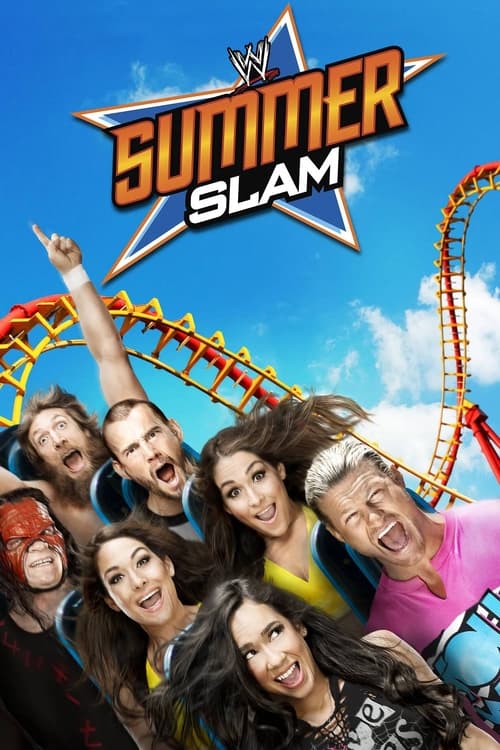
2013

2000
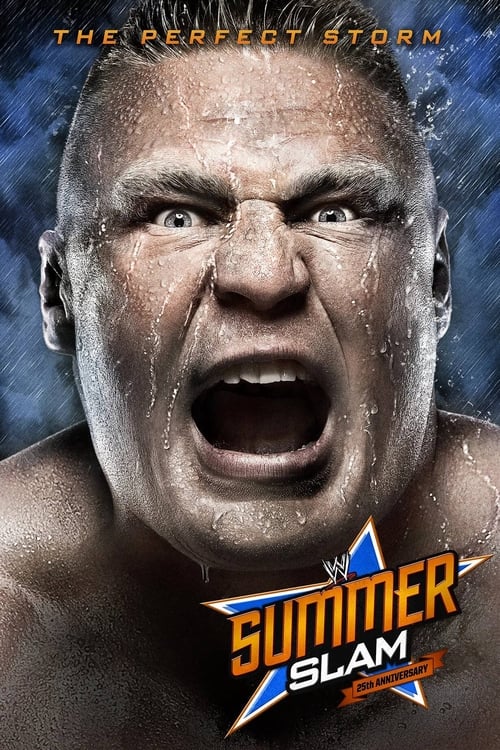
2012

2020
No reviews yet. Be the first to share your thoughts on this movie!
Use the rating form above to leave a star rating and optional review.