
WWE SummerSlam 2008
2008
No user ratings available yet
Diversity score: 2.5 out of 10

2003
PG-13Director
Kevin Dunn
Runtime
170 minutes
Average Rating
No ratings yetSynopsis
SummerSlam (2003) was a PPV presented by Stacker 2's YJ Stinger. It took place on August 24, 2003 at the America West Arena in Phoenix, Arizona. It was the 16th annual SummerSlam event and starred wrestlers from the Raw and SmackDown! brands. The first main event was an Elimination Chamber match featuring wrestlers from the Raw brand.. World Heavyweight Champion Triple H defended his title against Chris Jericho, Goldberg, Kevin Nash, Randy Orton, and Shawn Michaels. The other main event featured SmackDown!'s WWE Champion Kurt Angle defending against challenger Brock Lesnar in a singles match. There was a No Holds Barred match between Kane and Rob Van Dam. and a Fatal Four Way for the US Champioship between Eddie Guerrero, Chris Benoit, Rhyno, and Tajiri.
Overall Score
Limited
Category Breakdown
LGBTQ+ Representation
The broadcast lacks visible non-cisnormative gender identities or narratives. The presentation remains strictly aligned with traditional masculine archetypes common to 2003 professional wrestling.
Gender Representation
The event adheres to a rigid gender hierarchy. Primary storylines and main events center on male combatants, reinforcing a traditional masculine leadership model without female agency.
Racial & Ethnic Diversity
The roster features moderate ethnic diversity through performers like Eddie Guerrero and Tajiri. However, these elements are integrated into a traditional Western athletic framework.
Religious & Cultural Diversity
The production celebrates hyper-capitalist entertainment and commercial spectacle. It prioritizes individual merit and brand loyalty within a highly structured, corporate championship hierarchy.
Disability Representation
There is no discernible representation of neurodivergence or physical disabilities. The focus remains strictly on able-bodied athletic performance and physical prowess.
Strengths
Areas for Improvement
AI Analysis
WWE SummerSlam 2003 functions as a high-octane spectacle that reinforces traditional power structures and physical dominance. The narrative architecture is built around established brand hierarchies and masculine archetypes. While the event provides meaningful visibility for diverse ethnic performers in key championship matches, these characters operate within a conventional sporting structure. The production does not seek to challenge systemic norms or explore intersectional complexities. Ultimately, the broadcast prioritizes a hyper-masculine, able-bodied, and Western-centric view of competition, leaving little room for broader social or identity-based representation.
2008

2004

2007

2002
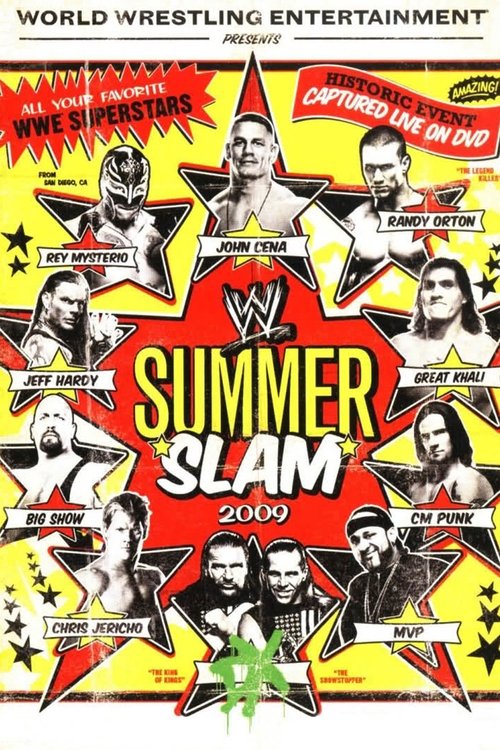
2009

2000
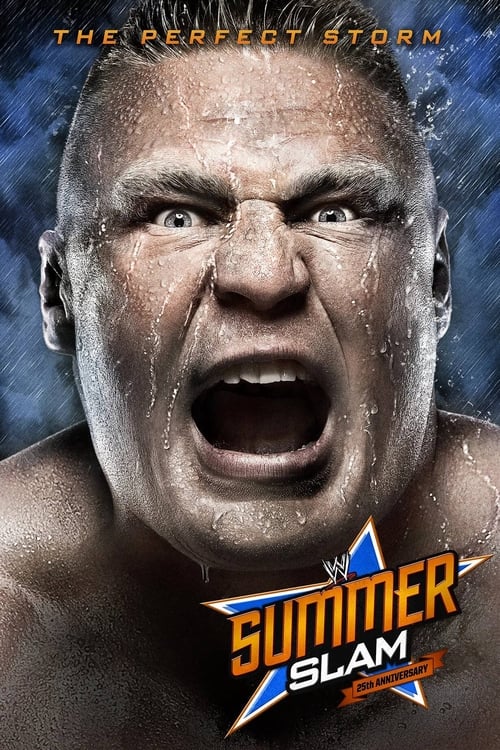
2012
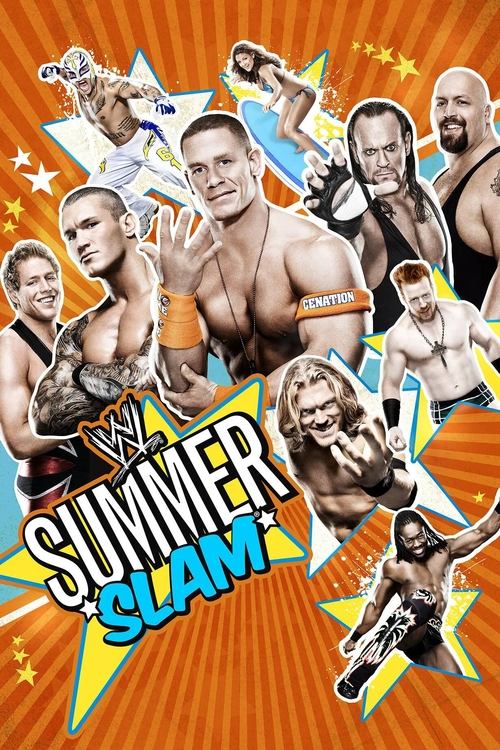
2010
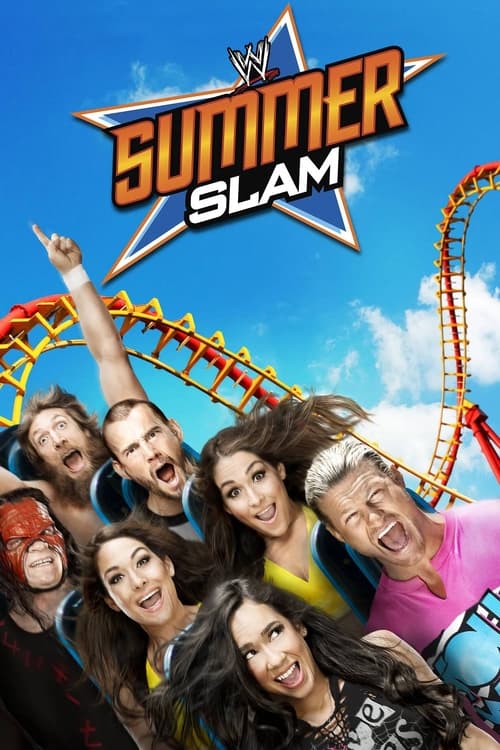
2013
2001

2003
2007
No reviews yet. Be the first to share your thoughts on this movie!
Use the rating form above to leave a star rating and optional review.