Sweet Track
1997
No user ratings available yet
Representation score: 6.5 out of 10
Representation Score
Fair
1999
Director
Katrin Ottarsdóttir
Runtime
85 minutes
Average Rating
No ratings yetNew Showbiz Analysis
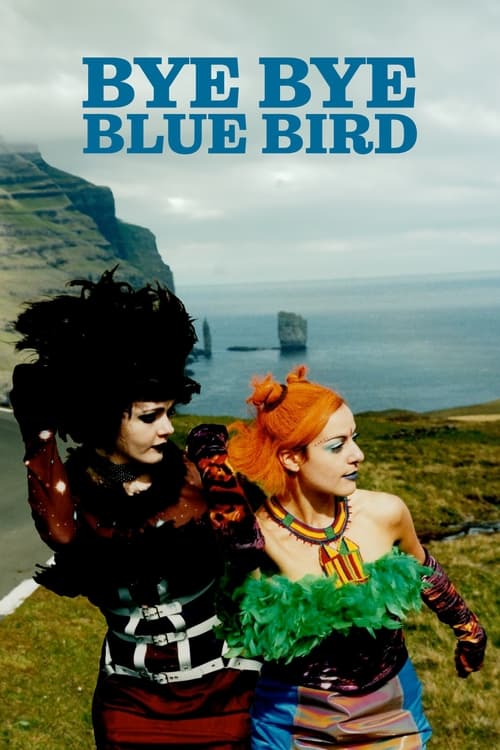
Katrin Ottarsdóttir delivers a character-driven study centered on the friction between modern autonomy and provincial tradition. The film excels at centering women's ability to drive the story, using the protagonists to challenge the established social order of the Faroe Islands. However, the narrative remains localized, focusing on a homogeneous cast that lacks racial or ethnic pluralism. While the protagonists' behavior suggests a departure from traditional norms, the film lacks explicit LGBTQ+ markers. Ultimately, the work succeeds as a deconstruction of social hierarchies, even if it stays within a narrow demographic scope.
Category Breakdown
The film hints at a disruption of traditional social expectations through the protagonists' behavior. While specific LGBTQ identities are not explicitly confirmed, the narrative explores friction with local norms.
Rannvá and Barba serve as the primary drivers of the plot, demonstrating a significant role in driving the story. Their autonomy challenges established social hierarchies and emphasizes female intellectual and social independence.
The story appears to be a localized study of Faroese society with a relatively homogeneous cast. There is no evidence of significant racial or ethnic pluralism within the primary characters.
The film pits modern, urban sensibilities against a conservative island community. This tension creates a critique of insular social structures and historical norms.
There is no mention of characters navigating physical, neurodivergent, or mental health disabilities within the narrative.
Present on Screen
Limited or Absent
Official Synopsis
Two friends, Rannvá and Barba, return to Faroe Islands after seven years abroad. The girls arouse both curiosity and outrage with their bizarre city appearance and emancipated behaviour. They embark on a road trip with one of the locals, Rúni, who - as it turns out - also carries a dark secret. The trio goes on a journey not just through the beautiful landscape of the Faroes but into the land of the past.
1997
2018

2018
2023
2018

2017
1990
2019
No reviews yet. Be the first to share your thoughts on this movie!
Use the rating form above to leave a star rating and optional review.