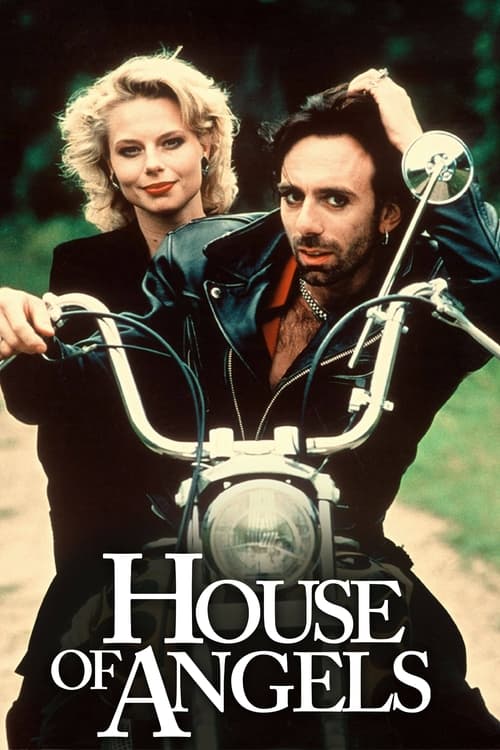
House of Angels
1992
No user ratings available yet
Representation score: 4.9 out of 10
Representation Score
Good
2010
Director
Colin Nutley
Runtime
117 minutes
Average Rating
No ratings yetNew Showbiz Analysis
The film excels as a nuanced character study that deconstructs the 'ideal' family unit. It successfully challenges rigid gender roles by emphasizing the ability to act and emotional depth of its female characters. However, the production remains limited by its localized setting. The focus on a homogeneous Swedish village results in a lack of racial and ethnic variety, and LGBTQ+ identities are not central to the plot. Ultimately, the work prioritizes the fluidity of human connection over static social hierarchies, offering a sophisticated look at social evolution despite its narrow demographic scope.
Category Breakdown
The film explores unconventional family structures and fluid romantic bonds. While it doesn't focus specifically on LGBTQ+ stories, it moves away from strictly traditional heterosexual scripts.
Female protagonists are portrayed with intellectual ability to act and emotional vulnerability. The story avoids submissive archetypes by centering women as the primary drivers of familial continuity and resolution.
The narrative presents a largely homogeneous depiction of Swedish village life. The focus on localized social fabric in Östergötland limits the presence of significant racial or ethnic diversity.
The film adopts a secular, humanistic approach to storytelling. It avoids dogmatic frameworks by centering the narrative on the ambiguity of lineage and the complexities of family history.
The story touches upon the vulnerabilities of later life and physical transitions. However, it does not explicitly center neurodivergence or visible physical disabilities as central plot devices.
Present on Screen
Limited or Absent
Official Synopsis
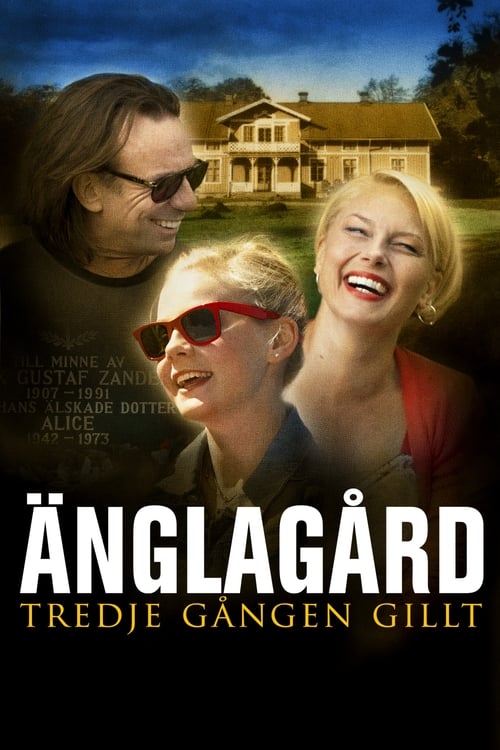
A lot happens in a small village in 15 years. People fall in love, get married, have kids and divorces. Some move, some die - in Yxared just like in other places. Zac, Fanny and her daughter Alice travels back to to the small village in Ostergotland. Alice makes them return - where does she come from, what are her roots? The question about who Fanny's dad is, arises once more. And Alice, who's her dad?
1992
2014

2004

2011

1994

2009
2000
2019
No reviews yet. Be the first to share your thoughts on this movie!
Use the rating form above to leave a star rating and optional review.