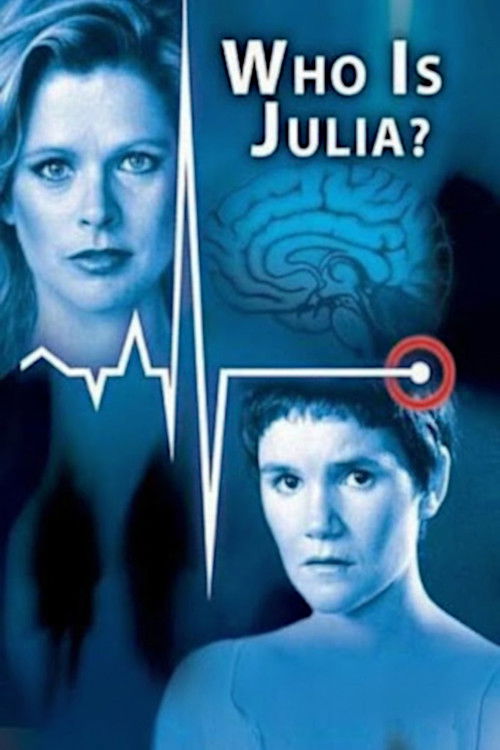
Who Is Julia?
1986
No user ratings available yet
Representation score: 2.5 out of 10
Representation Score
Limited
1969
RDirector
Robert Stevens
Runtime
98 minutes
Average Rating
No ratings yetNew Showbiz Analysis
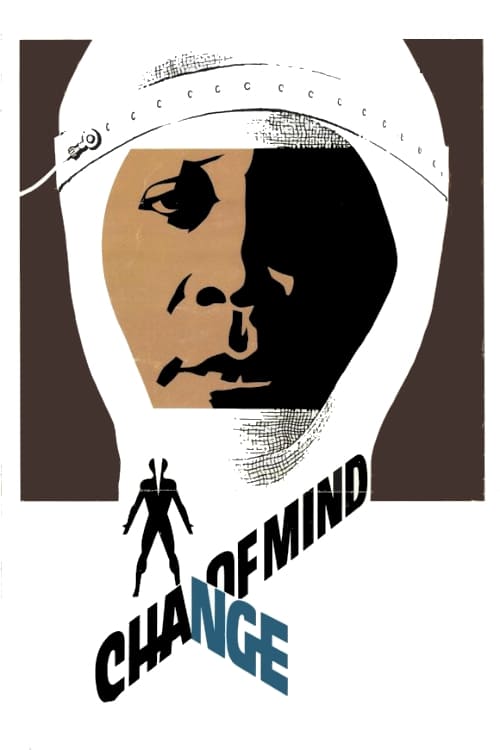
Change of Mind uses a high-concept science fiction premise to explore identity and memory, but it adheres to traditional mid-century dramatic structures. While the central idea of a brain transplant disrupts racial identity, the film prioritizes psychological horror over a meaningful critique of social structures. The production functions primarily as a character study, lacking the intentionality needed to challenge established social hierarchies or offer diverse representation.
Category Breakdown
The film does not include any LGBTQ+ identities. Conflicts are centered around traditional romantic and paternal relationships.
The story focuses on the female protagonist's independence and emotional reliance. However, it relies on well-known psychological clichés rather than challenging traditional gender roles.
A brain transplant between a white man and a Black man drives the plot. This serves as a vehicle for psychological horror rather than a nuanced exploration of racial experiences.
The story follows a typical Western framework of the late 1960s. It does not critically examine Western institutions or systemic issues.
The neurological changes are used as a speculative science fiction device. The film does not feature characters with disabilities who have real influence.
Present on Screen
Limited or Absent
Official Synopsis
A white man's brain is transplanted into a black man's skull.
1986
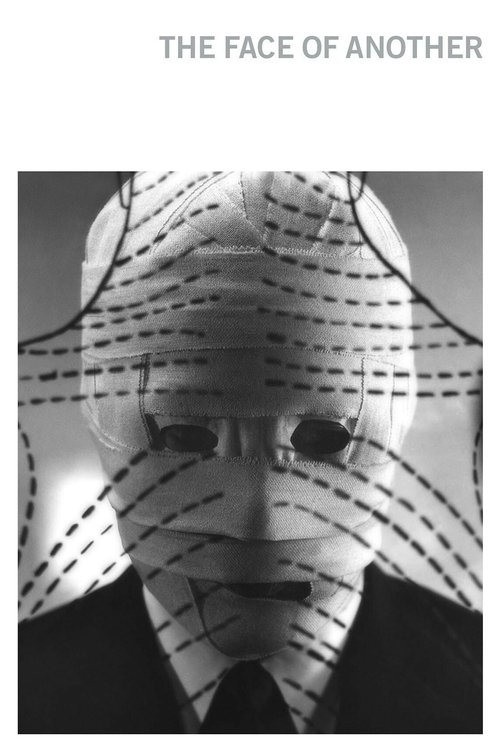
1966

1981
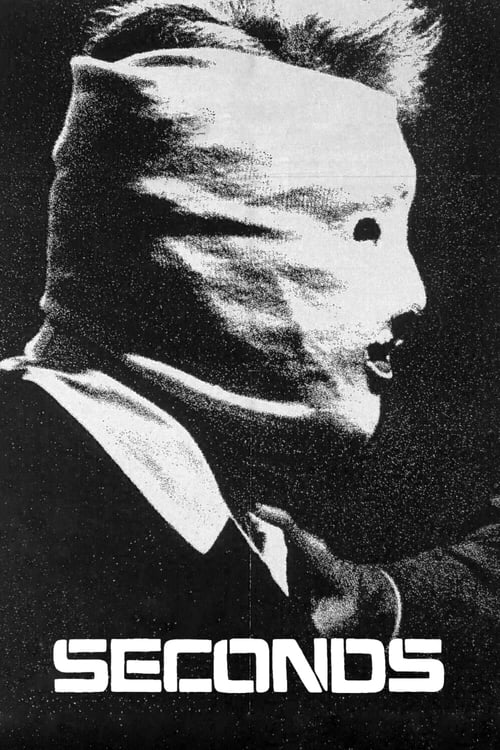
1966
1965

1958

1972

1968
No reviews yet. Be the first to share your thoughts on this movie!
Use the rating form above to leave a star rating and optional review.