Hurdy Gurdy
2011
No user ratings available yet
Diversity score: 5.0 out of 10
1998
Director
Nathaniel Dorsky
Runtime
24 minutes
Average Rating
No ratings yetSynopsis
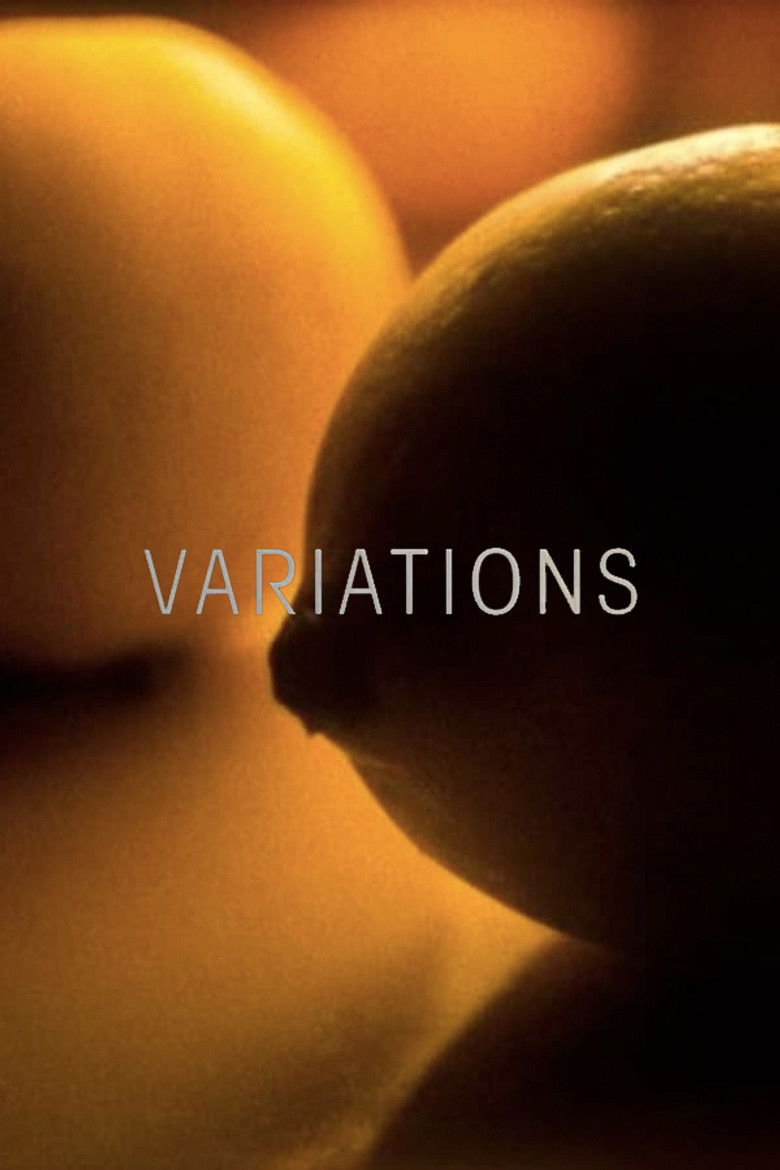
Variations is a 1998 American short silent avant-garde film directed by Nathaniel Dorsky. It is the second film in a set of "Four Cinematic Songs," which also includes Triste, Arbor Vitae, Love's Refrain.
Overall Score
Fair
Category Breakdown
LGBTQ+ Representation
The film's silent, avant-garde nature offers no explicit depiction of sexual orientation. While it avoids heteronormative romance tropes, there is no evidence of intentional queer coding.
Gender Representation
By focusing on light and texture rather than characters, the film avoids gendered archetypes. It maintains a state of gender neutrality through its abstract, non-narrative structure.
Racial & Ethnic Diversity
The work prioritizes environmental and formal qualities over social identity. There is no evidence of racial stereotyping or specific emphasis on intersectional casting.
Religious & Cultural Diversity
The film eschews traditional Western storytelling and institutional structures. It instead promotes a contemplative, secular spirituality centered on subjective, sensory perception.
Disability Representation
Because the film lacks conventional characters, it does not engage with disability tropes. There is no evidence of disability being used as a plot device.
Strengths
Areas for Improvement
AI Analysis
Variations is a formalist exercise that prioritizes sensory experience over social commentary. By removing traditional character arcs and dialogue, the film effectively bypasses the social hierarchies typically found in cinema. The work functions as a neutral space. It does not actively advance a progressive social agenda, but its rejection of institutional storytelling prevents the reinforcement of systemic biases or traditional tropes. Ultimately, the film's impact is aesthetic rather than political. It seeks transcendence through rhythmic visual patterns rather than through the exploration of identity politics.
2011
2015

1997
1995

2014

2003

1973
1973

2018

1996
2012
2010
No reviews yet. Be the first to share your thoughts on this movie!
Use the rating form above to leave a star rating and optional review.