
Seven Alone
1974
No user ratings available yet
Representation score: 0.8 out of 10
Representation Score
Limited
1989
TV-PGDirector
Randy Bradshaw
Runtime
92 minutes
Average Rating
No ratings yetNew Showbiz Analysis
Last Train Home functions as a traditional period adventure that prioritizes classical storytelling and familial cohesion. The narrative relies heavily on established genre conventions of the late 1980s rather than deconstructing social hierarchies. The film's focus on a singular familial search in the 1880s suggests a reliance on conventional clichés. This approach emphasizes traditional kinship bonds and social stability over identity-based ability to act or systemic subversion. Ultimately, the production maintains a neutral stance regarding progressive thematic engagement. It appears to align with the historical and cinematic expectations of its era and setting.
Category Breakdown
The film does not show LGBTQ+ characters taking significant actions or making choices that drive the story. The 19th-century setting seems to follow the assumption that everyone is straight or cisgender.
The story revolves around Tom Bradshaw's journey and does not indicate women playing roles that challenge traditional masculine leadership. There is no evidence of women occupying positions that subvert male dominance.
The narrative focuses on a specific family unit during the 1880s. It lacks a cast that includes people from non-Anglo-Saxon backgrounds or evidence of actors being cast in roles traditionally associated with different ethnicities.
The film follows traditional Western storytelling focused on kinship. It does not include any critique of institutions or capitalism within its adventure framework.
There is no information available regarding the portrayal of characters with physical or neurodivergent disabilities.
Present on Screen
Limited or Absent
Official Synopsis
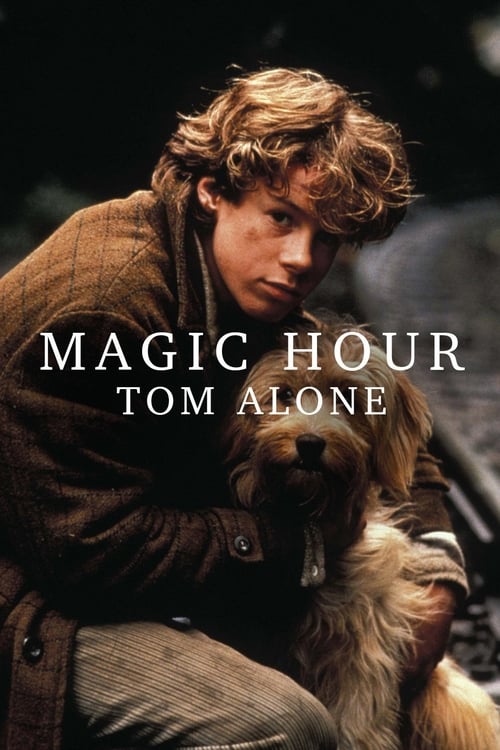
Tom Bradshaw searches for his family while riding the rails in this family drama set in the 1880s.
1974
1985
1977

1982

1975
1943
2004
2013
No reviews yet. Be the first to share your thoughts on this movie!
Use the rating form above to leave a star rating and optional review.