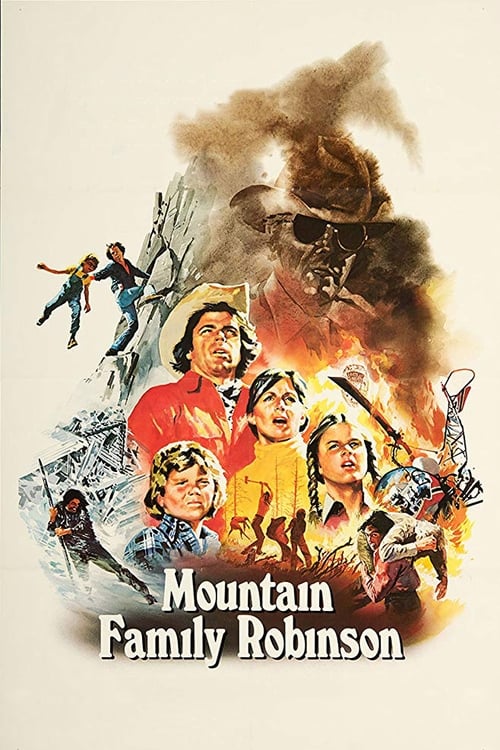
Adventures of the Wilderness Family 3
1979
No user ratings available yet
Representation score: 1.4 out of 10

Representation Score
Minimal
1975
GDirector
Stewart Raffill
Runtime
105 minutes
Average Rating
No ratings yetNew Showbiz Analysis
The film is a product of its era, functioning as a traditional adventure that prioritizes a singular, homogeneous perspective. It relies heavily on established mid-20th-century social norms, offering little disruption to conventional expectations regarding race, gender, or family structure. While the African setting provides a backdrop, the narrative ability to act remains firmly with the white nuclear family. This creates a narrow lens that lacks complexity or the inclusion of diverse voices. Ultimately, the film serves as a portrait of conventional 1970s values, emphasizing survival and family resilience through a traditionalist framework.
Category Breakdown
The film does not depict any LGBTQ+ identities or same-sex relationships. It follows traditional heterosexual norms throughout the story.
Gender roles in the film follow traditional 1970s hierarchies. The father is the primary protector and provider, while the mother manages the household and family cohesion.
The story centers around a white family in an African setting. However, the local African population is shown as a background element without their own choices or roles.
The narrative celebrates Western values and the stability of the nuclear family. It emphasizes survival and cohesion without challenging traditional institutions.
There are no visible or invisible disabilities portrayed in the film. Characters with disabilities are not featured as central plot points.
Present on Screen
Limited or Absent
Official Synopsis
The story of a modern family bored with the hassles of the city life in Los Angeles. They head for the wilderness never to return.
1979
1977

1974

1978
1989
1985
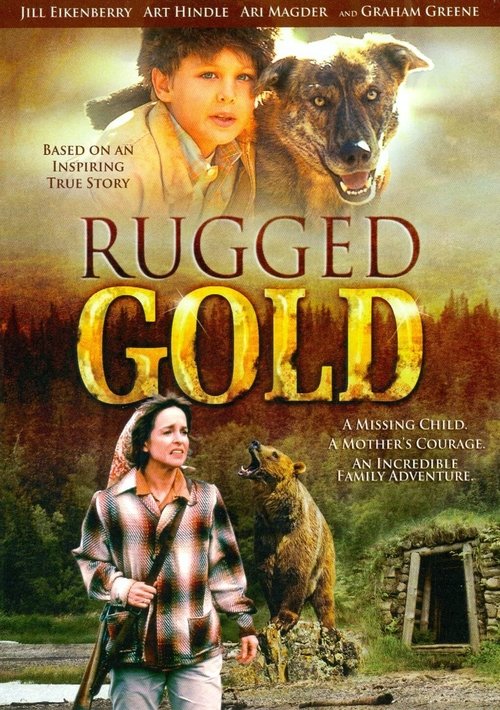
1994

1969
No reviews yet. Be the first to share your thoughts on this movie!
Use the rating form above to leave a star rating and optional review.