
Os Saltimbancos Trapalhões: Rumo a Hollywood
2017
No user ratings available yet
Representation score: 3.7 out of 10
Representation Score
Fair
1970
AtpDirector
Derlis M. Beccaglia
Runtime
85 minutes
Average Rating
No ratings yetNew Showbiz Analysis
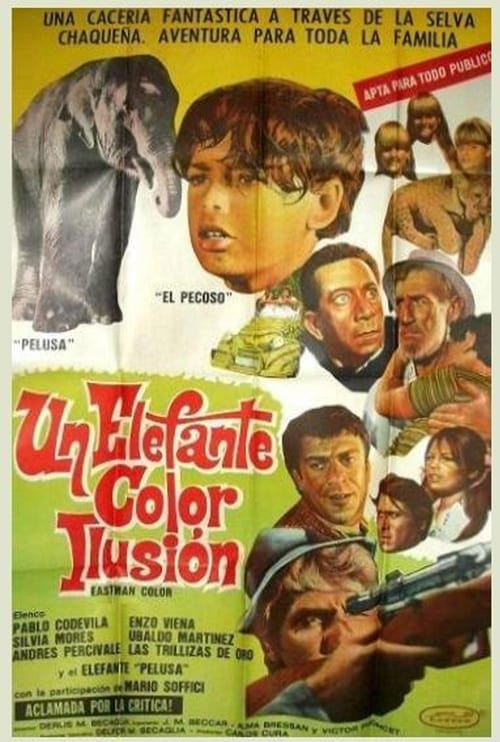
Un Elefante Color Ilusión is a traditional regional comedy that follows a linear journey of companionship. The narrative structure adheres to the conventional storytelling frameworks of 1970s family cinema. The film lacks documented evidence of intentional systemic subversion or multi-layered complexity. It operates within standard mid-century values, focusing on a boy's adventure rather than diverse social critiques. While the Argentine setting provides a sense of place, the character dynamics remain centered on a singular, traditional protagonist archetype.
Category Breakdown
The film focuses on a journey of companionship between a child and an animal. There is no evidence of LGBTQ+ identities or critiques of the assumption that everyone is straight or cisgender.
The story centers on a young boy and his relationship with a circus elephant. The focus on a male protagonist suggests a traditional gendered lens common to mid-century adventure comedies.
The movement from the Chaco region to Buenos Aires grounds the story in Argentine geography. This setting allows for depictions of regional identity and class-based distinctions.
As a family comedy, the film likely prioritizes social cohesion and traditional moral lessons. The theme of saving an animal suggests values of empathy and responsibility.
There is no evidence regarding the inclusion of characters with physical or neurodivergent disabilities.
Present on Screen
Limited or Absent
Official Synopsis
A boy travels from Chaco to Buenos Aires taking with him an elephant that saved from a circus.
2017
1972
1979

1982

1998

1980

2016

1998
No reviews yet. Be the first to share your thoughts on this movie!
Use the rating form above to leave a star rating and optional review.