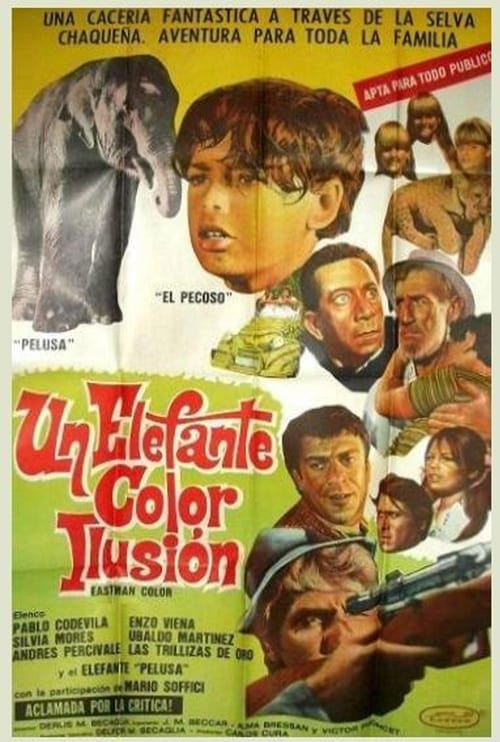
Un elefante color ilusión
1970
No user ratings available yet
Diversity score: 4.9 out of 10

2017
Director
João Daniel Tikhomiroff
Runtime
99 minutes
Average Rating
No ratings yetSynopsis
Since the ban on use of animals in circus shows, the Great Sumatra Circus faces a major financial crisis. Baron, who owns the circus, accepts unseemly proposals from the mayor to hold cattle auctions, rallies and other alternative events at the circus. Unhappy with the news, circus artists come together to plan a new show and re-attract the audience, led by Didi, Dedé and Karina.
Overall Score
Fair
Category Breakdown
LGBTQ+ Representation
The film adheres to traditional family-oriented comedic structures. There is no evidence of LGBTQ+ characters or narratives exploring non-heteronormative identities.
Gender Representation
The leadership core includes Karina alongside Didi and Dedé. However, the framework emphasizes male-driven slapstick and ensemble dynamics rather than subverting gender hierarchies.
Racial & Ethnic Diversity
As a Brazilian production, the film operates within a multi-ethnic context. While the circus setting suggests ethnic plurality, there is no documented evidence of intentional intersectional depth.
Religious & Cultural Diversity
The story focuses on the tension between traditional circus arts and modern commercialism. It leans toward preserving a traditional institution rather than offering a deconstructive cultural critique.
Disability Representation
The available information provides no specific details regarding the inclusion or portrayal of characters with physical or neurodivergent disabilities.
Strengths
Areas for Improvement
AI Analysis
The film functions primarily as a revival of a legacy brand, prioritizing established comedic archetypes over modern progressive narrative architecture. It relies on the historical tropes of the Trapalhões franchise to drive its story. While the setting allows for a baseline of ethnic plurality common in Brazilian media, the film lacks evidence of systemic subversion or intersectional agency. The narrative focus remains on saving a traditional institution from commercial pressures. Ultimately, the production maintains a conservative comedic structure. It lacks the specialized representation or the disruption of conventional social hierarchies required for a higher diversity rating.
No reviews yet. Be the first to share your thoughts on this movie!
Use the rating form above to leave a star rating and optional review.