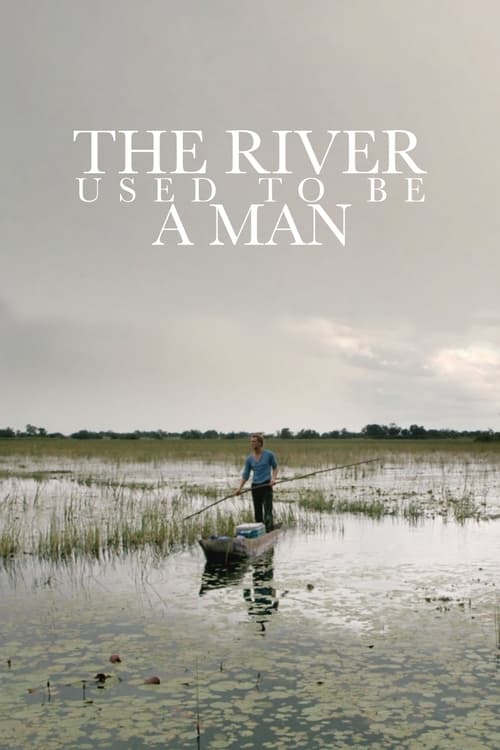
The River Used to Be a Man
2012
No user ratings available yet
Representation score: 4.9 out of 10

Representation Score
Good
2010
Not RatedDirector
Karim Aïnouz, Marcelo Gomes
Runtime
75 minutes
Average Rating
No ratings yetNew Showbiz Analysis
The film excels as a nuanced character study that dismantles traditional masculinity and offers a localized Brazilian viewpoint. It avoids harmful stereotypes by focusing on the protagonist's internal emptiness and existential isolation. However, it lacks explicit characters who reflect more than one aspect of diversity or meaningful roles for non-cisgender identities, staying within conventional romantic and existential frameworks.
Category Breakdown
The film focuses on traditional heterosexual relationships and emotional consequences. It does not offer specific critiques of the assumption that everyone is straight or cisgender or meaningful roles for non-cisgender characters.
The movie challenges traditional masculine hierarchies by highlighting the protagonist's emotional vulnerability. It replaces the cliché of a strong leader with a melancholic, fragmented personality.
With a predominantly Brazilian cast, the film authentically portrays various social layers within Brazil. It avoids a uniform perspective by showcasing diverse landscapes from Rio to rural areas.
The story emphasizes personal memories and fleeting connections rather than enduring social structures. It serves as an existential character study rather than a direct political commentary.
There are no significant characters with visible or invisible disabilities. Psychological states such as loneliness are treated as universal experiences rather than specific disability stories.
Present on Screen
Limited or Absent
Official Synopsis
José Renato, a 35-year-old geologist, is sent out on a solitary expedition to the hinterlands of northeastern Brazil. The purpose of the trip is to assess possible routes for a canal that will connect the area with the only major river in the region. As the field trip progresses, it becomes clear that Renato shares with those places the same emptiness, sense of abandonment and isolation.
2012

1963

2015
2009

2012
2014

2005

2013
No reviews yet. Be the first to share your thoughts on this movie!
Use the rating form above to leave a star rating and optional review.