
The Strange Case of Doctor Faust
1969
No user ratings available yet
Representation score: 2.8 out of 10
Representation Score
Fair
1982
Director
David José Kohon
Runtime
109 minutes
Average Rating
No ratings yetNew Showbiz Analysis
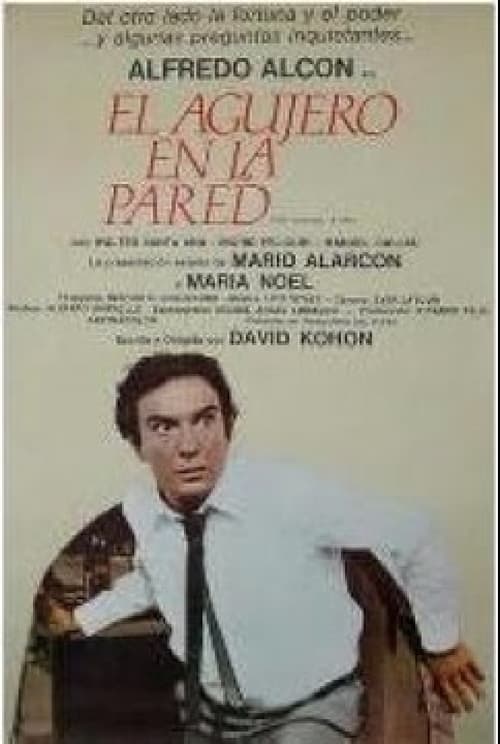
The Hole in the Wall serves as a postmodern deconstruction of the Faustian myth, substituting spiritual bargains with the material greed of late-century capitalism. It emphasizes intellectual and systemic critique over social identity issues. While the film excels in its critique of Western values, it falls short in terms of demographic inclusion. The narrative focuses on individualistic obsession rather than diverse representation. Ultimately, the work is a psychological study of greed. It succeeds in its thematic subversion but remains narrow in its exploration of gender, race, and sexual identity.
Category Breakdown
The film centers on a metaphysical exchange between a photographer and an enigmatic entity. There is no clear indication of LGBTQ+ identities or queer themes in the narrative.
The story revolves around a male protagonist motivated by financial desperation and voyeurism. It lacks prominent roles for women and does not challenge traditional gender roles.
The film adheres to typical 1980s demographic patterns in international drama. There is no evidence of diverse casting or racial subversion in the character types.
The narrative critiques Western institutions and capitalism, replacing traditional religious morality with a dark, secular focus on economic systems.
There is no evidence of characters with visible or invisible disabilities in the provided context.
Present on Screen
Limited or Absent
Official Synopsis
In this modern retelling of the Faust legend, a freelance photographer meets the enigmatic Mefi, who leads him, through a hole in the wall, to a room where a disembodied voice predicts stock prices.
1969
1960

1994

1993

1978

1989
1974

1976
No reviews yet. Be the first to share your thoughts on this movie!
Use the rating form above to leave a star rating and optional review.