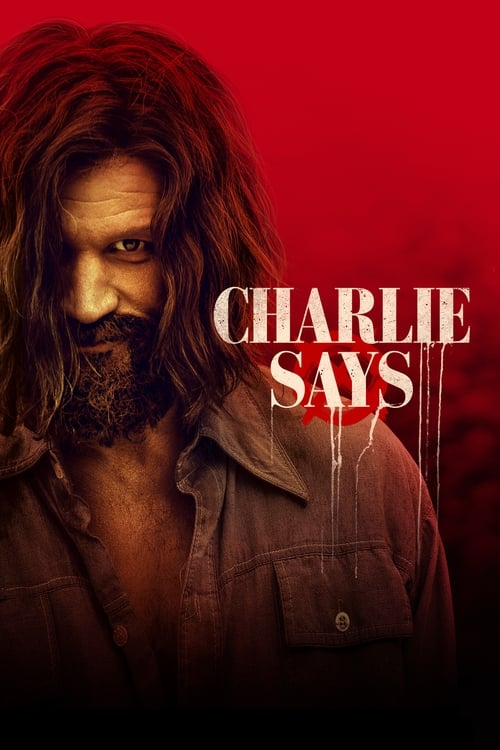
Charlie Says
2019
No user ratings available yet
Representation score: 4.7 out of 10
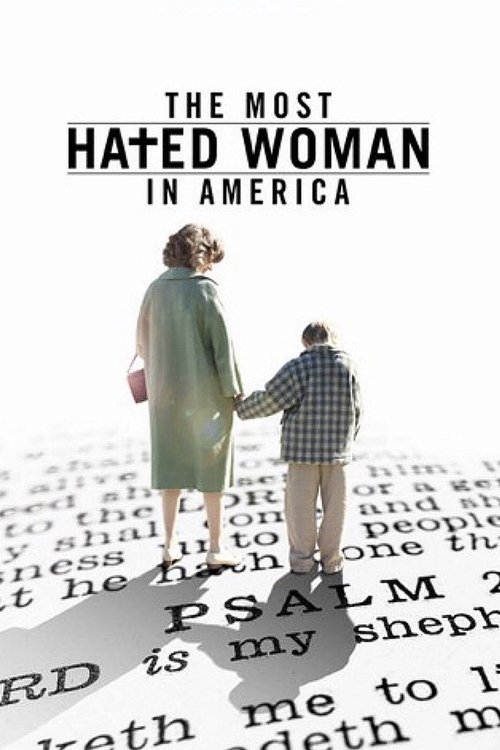
Representation Score
Fair
2017
TV-MADirector
Tommy O'Haver
Runtime
91 minutes
Average Rating
No ratings yetNew Showbiz Analysis
The film primarily explores ideological conflict and secularism. Its main impact comes from its protagonist's worldview that challenges the influence of organized religion. While it presents a powerful female lead who defies patriarchal structures, it lacks broader representation in other areas such as race and LGBTQ+ identities. The narrative focuses on a specific Western historical context without significant markers of diversity. The film's strength lies in its focused subversion of traditional cultural and religious norms, trading broad demographic diversity for a deep exploration of social defiance.
Category Breakdown
The film highlights social defiance and non-conformity rather than specific LGBTQ+ identities. There is no clear depiction of LGBTQ+ character arcs or experiences.
Madalyn Murray O'Hair is shown as a strong leader who challenges traditional patriarchal and religious hierarchies. The narrative avoids submissive feminine stereotypes by focusing on her intellectual and social power.
The biographical study focuses on a specific historical figure within a Western context. There is no indication of a diverse cast or efforts to include non-Anglo-Saxon actors.
The film provides a strong critique of traditional Western religious institutions. By centering on an outspoken atheist, the narrative emphasizes secularism and challenges the dominance of organized religious morality.
There is no evidence of the portrayal of physical or neurodivergent disabilities in this biographical study.
Present on Screen
Limited or Absent
Official Synopsis
The true story of Madalyn Murray O'Hair -- iconoclast, opportunist, and outspoken atheist -- from her controversial rise to her untimely demise.
2019
2017
2007

2011
2014

1982

2015

2019
No reviews yet. Be the first to share your thoughts on this movie!
Use the rating form above to leave a star rating and optional review.