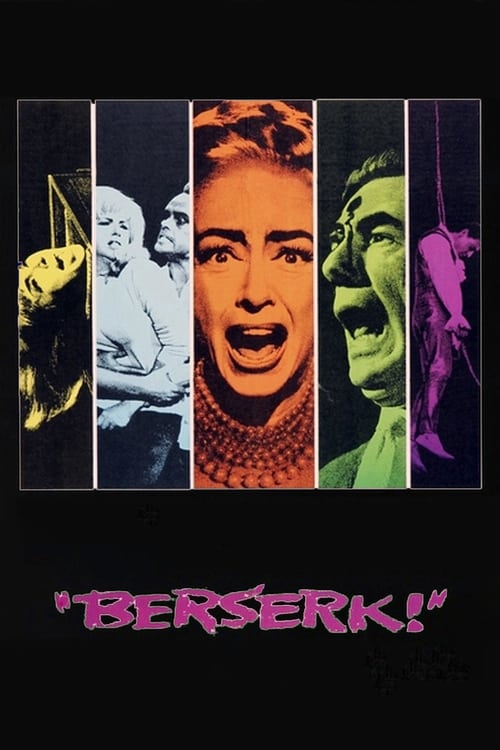
Berserk!
1967
No user ratings available yet
Representation score: 0.5 out of 10
Representation Score
Minimal
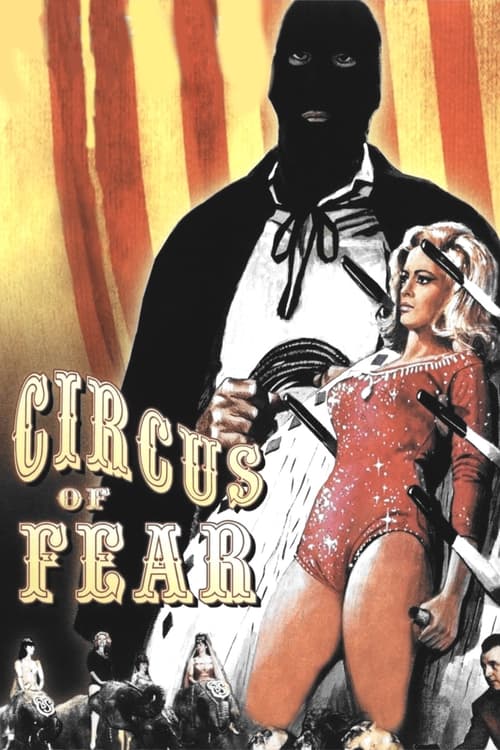
1966
Not RatedDirector
John Llewellyn Moxey, Werner Jacobs
Runtime
91 minutes
Average Rating
No ratings yetNew Showbiz Analysis
Circus of Fear is a mid-century horror-mystery that emphasizes traditional genre elements over social or identity-based disruptions. The film’s structure adheres to the social hierarchies and homogeneous casting norms of its time. Since the narrative focuses on a localized crime involving stolen loot, it lacks the layered representation needed to go beyond a basic score. The production aligns with the standard cinematic landscape of 1966.
Category Breakdown
The film does not include any characters with non-traditional gender identities or same-sex relationships. It follows the assumption that everyone is straight and cisgender, which was common in 1966 cinema.
Women in the circus setting may have limited roles, focusing on performance or decoration rather than driving the plot. There is no indication that female characters significantly influence the mystery.
The story centers on a local circus troupe without any evidence of a diverse cast. It likely reflects the homogeneous casting practices of mid-1960s genre cinema.
The narrative operates as a traditional morality tale focused on crime and punishment. It does not address systemic critiques or the deconstruction of Western institutions.
There is no mention of characters with physical or neurodivergent disabilities.
Present on Screen
Limited or Absent
Official Synopsis
A circus becomes the location for stolen loot and murder.
1967
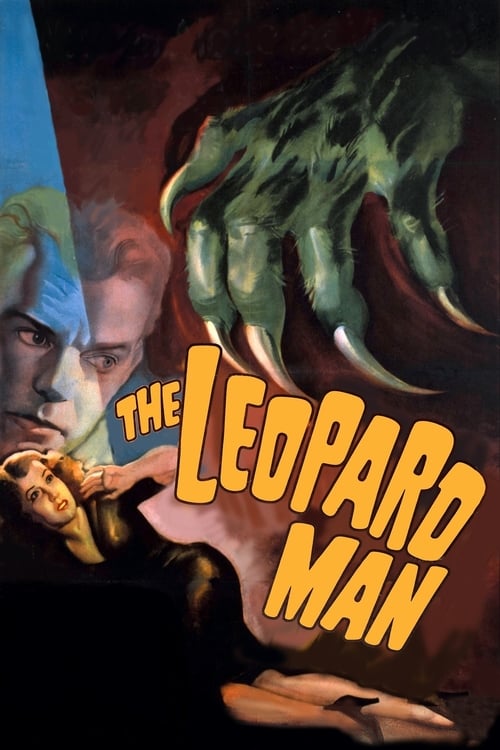
1943

1966
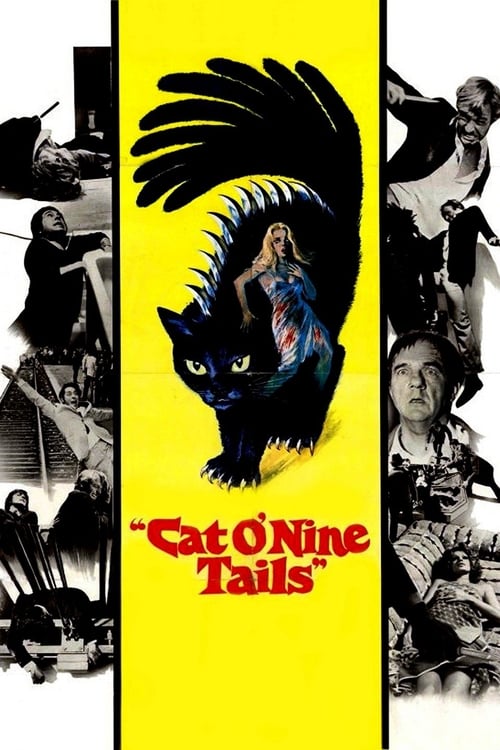
1971
1971
1927

1968
1963
No reviews yet. Be the first to share your thoughts on this movie!
Use the rating form above to leave a star rating and optional review.