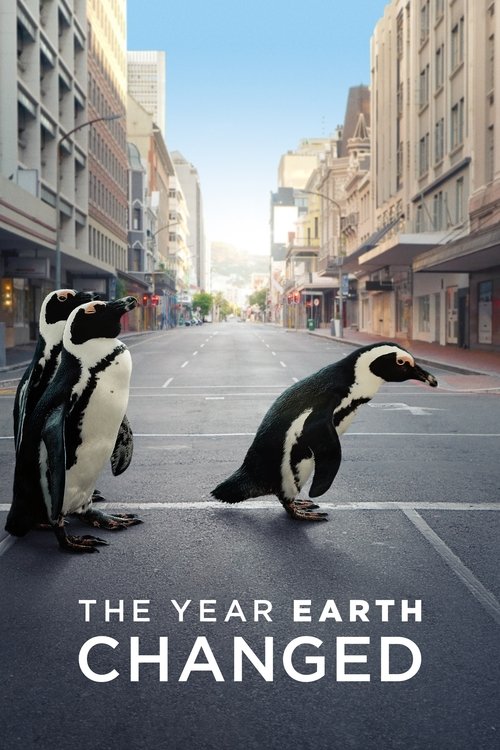
The Year Earth Changed
2021
No user ratings available yet
Diversity score: 5.4 out of 10

2019
TV-PGDirector
Leila Conners
Runtime
98 minutes
Average Rating
No ratings yetSynopsis
An eye-opening documentary that asks the question: Are we going to let climate change destroy civilization, or will we act on technologies that can reverse it? Featuring never-before-seen solutions on the many ways we can reduce carbon in the atmosphere thus paving the way for temperatures to go down, saving civilization.
Overall Score
Fair
Category Breakdown
LGBTQ+ Representation
The film maintains a neutral baseline typical of scientific documentaries. There is no explicit evidence of queer narratives or specific LGBTQ+ identities within the technical focus.
Gender Representation
The narrative favors collaborative, intellectual problem-solving over traditional masculine conquest tropes. It suggests a departure from old models by centering technological agency and scientific leadership.
Racial & Ethnic Diversity
The film's global scope necessitates diverse geographic and ethnic voices. It moves away from Western-centric environmentalism toward an intersectional understanding of how climate change affects the world.
Religious & Cultural Diversity
The work prioritizes scientific secularism and global cooperation over nationalistic or religious frameworks. It critiques the Western industrial legacy in favor of a shared global responsibility.
Disability Representation
There is no evidence to suggest that neurodivergence or physical disabilities are central themes or addressed through specific character agency in this documentary.
Strengths
Areas for Improvement
AI Analysis
Ice on Fire shifts the environmental documentary genre from passive observation of decay to an active, technology-driven reclamation of the future. It succeeds by framing the climate crisis as a systemic challenge to human civilization rather than just a biological issue. The film's strength lies in its critique of existing industrial and political frameworks. By focusing on global technological solutions, it promotes an internationalist worldview that deconstructs the sufficiency of localized economic models. However, the documentary remains largely focused on technical and ecological data. This scientific emphasis results in a neutral approach to interpersonal identity politics and individual character-driven representation.
2021

2018

2023

2021
2015
2022

2011
2019
2015

2009

2015
2018
No reviews yet. Be the first to share your thoughts on this movie!
Use the rating form above to leave a star rating and optional review.