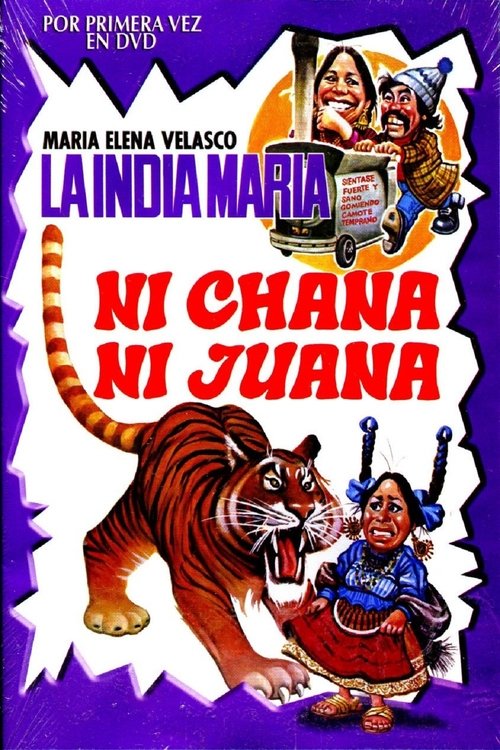
Ni Chana Ni Juana
1984
No user ratings available yet
Representation score: 6.2 out of 10
Representation Score
Limited
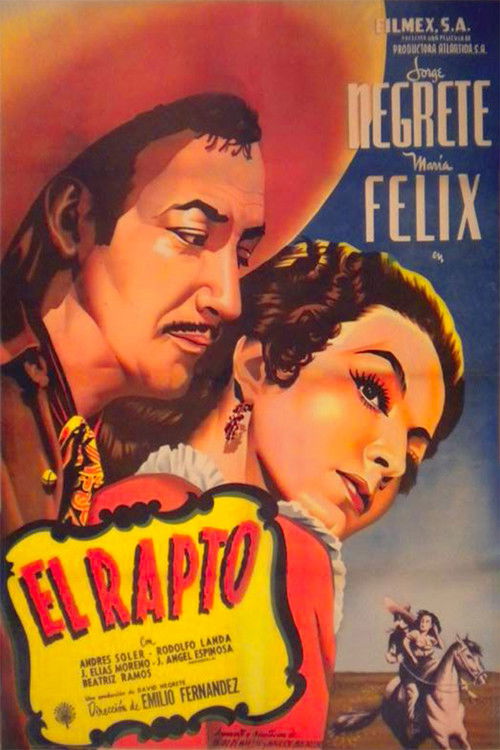
1954
Director
Emilio Fernández
Runtime
85 minutes
Average Rating
No ratings yetNew Showbiz Analysis
Emilio Fernández’s work centers on Mexican identity and rural landscapes, often reinforcing established social hierarchies. While the film avoids some period-typical stereotypes, it remains tethered to the traditional moral frameworks of the Golden Age of Mexican Cinema. The film's strength lies in its portrayal of Aurora Campos, who challenges passive feminine clichés with her intelligence and decisiveness. However, the lack of multi-layered depth and adherence to traditional social structures limit its progressive impact. The narrative focuses on individual wealth and romantic conflict rather than deconstructing systemic issues.
Category Breakdown
The film follows a framework that assumes everyone is straight and cisgender, focusing on romantic and property-based conflicts. There is no representation of LGBTQ+ identities or same-sex relationships.
Aurora Campos subverts traditional gender roles by acting as a strong, decisive woman who manipulates legal circumstances. However, the plot eventually returns to traditional romantic tensions.
Set in a Mexican village, the film provides a non-Anglo-Saxon perspective grounded in the cultural specificity of indigenous or mixed-race social structures.
The story operates within the established social and moral codes of 1950s rural Mexico, focusing on individual ambition and property rather than systemic critique.
The narrative does not depict any visible or invisible disabilities that impact the story arc.
Present on Screen
Limited or Absent
Official Synopsis
In a small Mexican village the news shock neighbors, Ricardo Alfaro, a wealthy local rancher has disappeared without a trace. Taking advantage of the circumstance, Aurora Campos, a strong woman with overwhelming beauty, convinces the authorities to sell her the property in exchange for twelve thousand dollars. Soon after, when Ricardo suddenly reappears, a real battle is about to begin.
1984
1938
1965

1957
1991

1967
1953
1941
No reviews yet. Be the first to share your thoughts on this movie!
Use the rating form above to leave a star rating and optional review.