Panhandling on Madison Avenue
1964
No user ratings available yet
Representation score: 0.8 out of 10
No Poster Available
Representation Score
Minimal
1964
ApprovedDirector
Seymour Kneitel
Runtime
6 minutes
Average Rating
No ratings yetNew Showbiz Analysis
Fix That Clock is a product of its era, relying on established mid-century entertainment clichés and formulaic comedic structures. The narrative focuses on physical humor and situational incompetence over complex character development or social commentary. The film uses a classic character archetype: a fast-talking con man paired with a gullible companion, reminiscent of Abbott and Costello, focusing on slapstick humor rather than challenging established social norms.
Category Breakdown
The film features a traditional male duo without any representation of LGBTQ+ identities or narratives questioning the assumption that everyone is straight or cisgender.
The story centers on a male-dominated comedic dynamic without significant subversion of gender hierarchies or giving women a leading role in driving the story.
The setting is a stylized New York City, but there is no indication of a diverse cast. The film defaults to homogeneous character designs.
The film operates within a standard mid-century Western comedic framework, relying on traditional slapstick clichés without critiquing Western institutions.
There is no evidence of characters with disabilities being portrayed with a leading role. The character's gullibility serves as a comedic cliché rather than a nuanced depiction.
Present on Screen
Limited or Absent
Official Synopsis
The bumbling duo of Swifty and Shorty- a fast-talking con man and his fat, gullible friend, much in the style of Abbott and Costello- have trouble setting the clock on top of the old Paramount building in New York.
1964
1964
1964
1960
1965
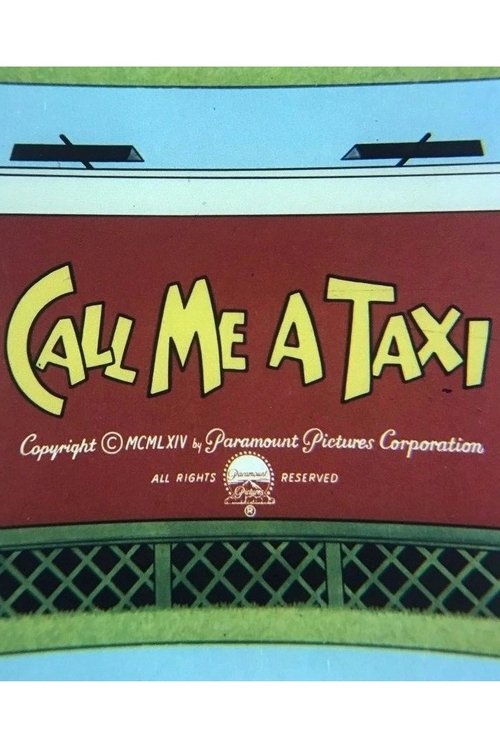
1964
1964

1935
No reviews yet. Be the first to share your thoughts on this movie!
Use the rating form above to leave a star rating and optional review.